

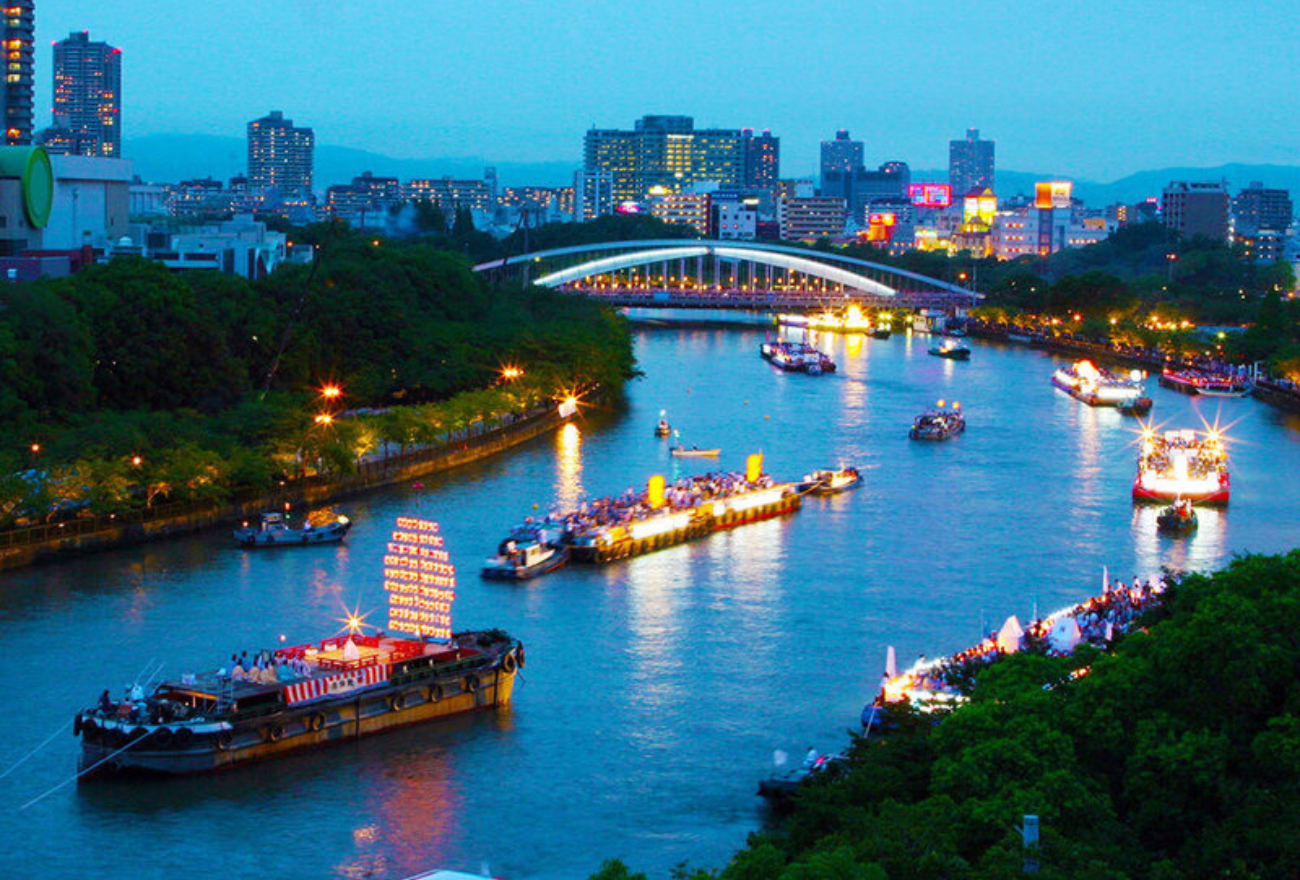
The humidity can be intense, but the sheer energy of the country’s traditional summer celebrations makes it entirely worth it.
Specifically, the Tenjin Matsuri Festival stands proudly as one of Japan’s top three traditional festivals. Dating back over a thousand years to the 10th century, this annual spectacle honors Sugawara no Michizane, the Shinto deity of learning. Rather than a quiet, solemn ritual, the city transforms the holiday into a massive, city-wide explosion of land, water, fire, and community pride.
Here is how the incredible momentum of this historic celebration unfolds across the streets and waterways of Osaka.
The Roar of the Land Procession (Riku-hogo)
Source: Travel to Japan
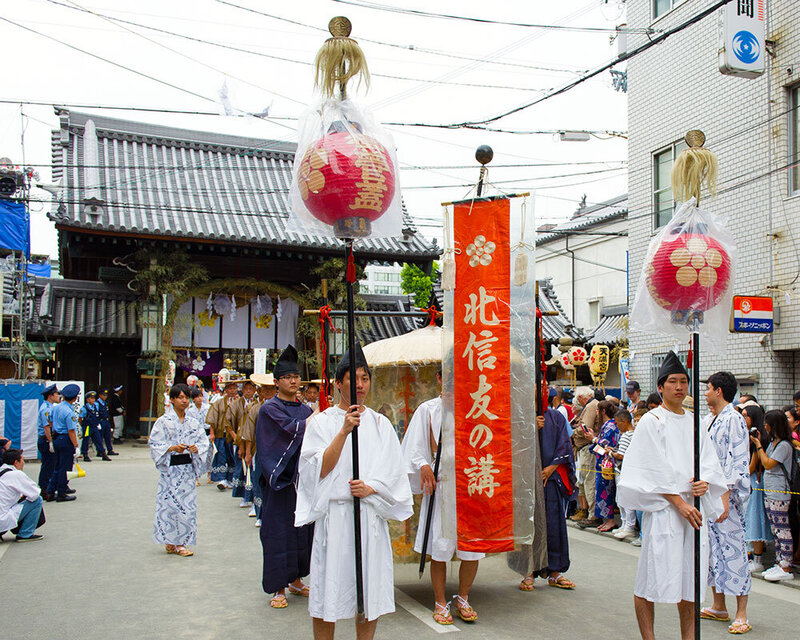
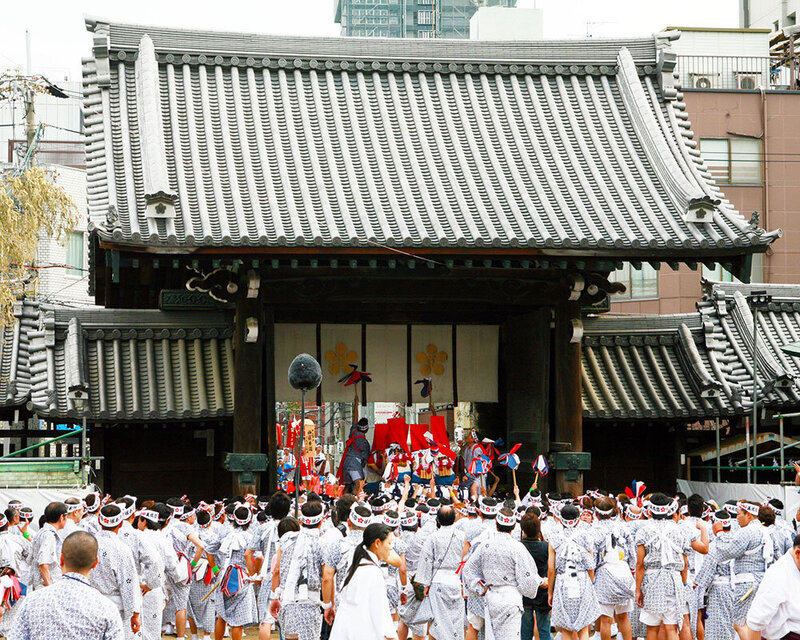
The atmosphere shifts the moment the afternoon parade spills out from Osaka Tenmangu Shrine. Over 3,000 festival participants fill the streets, completely dressed in stunning, historically accurate Edo-period costumes.
The physical pulse of the parade belongs to the iconic Moyoshi-daiko drummers. Wearing distinct, towering red hats, these performers strike massive traditional drums with aggressive, rhythmic intensity. The deep thud of the drums echoes against the glass high-rises, bridging ancient tradition with the modern cityscape. Alongside them, massive, gleaming portable shrines (mikoshi) are carried high on the shoulders of chanting locals.
Setting the Okawa River Ablaze (Funahoko)
Source: Travel to Japan
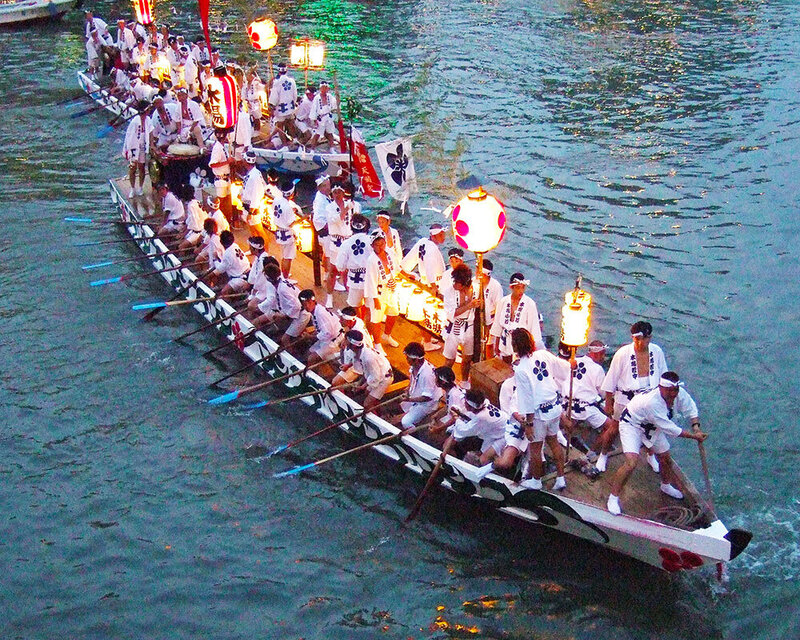
As twilight softens the sky, the entire energy of the festival shifts from the concrete pavement to the open water. The celebration transitions into the Funahoko—the grand water procession.
A massive fleet of over 100 traditional, lantern-lit boats takes over the Okawa River. Some vessels transport the sacred portable shrines, while others host traditional noh and bunraku performers. As the boats pass each other under the city’s historic bridges, rows of passengers engage in rhythmic Osaka-jime hand-clapping, creating a collective wall of sound that bounces off the riverbanks.
The Climax of Sky, Water, and Fire
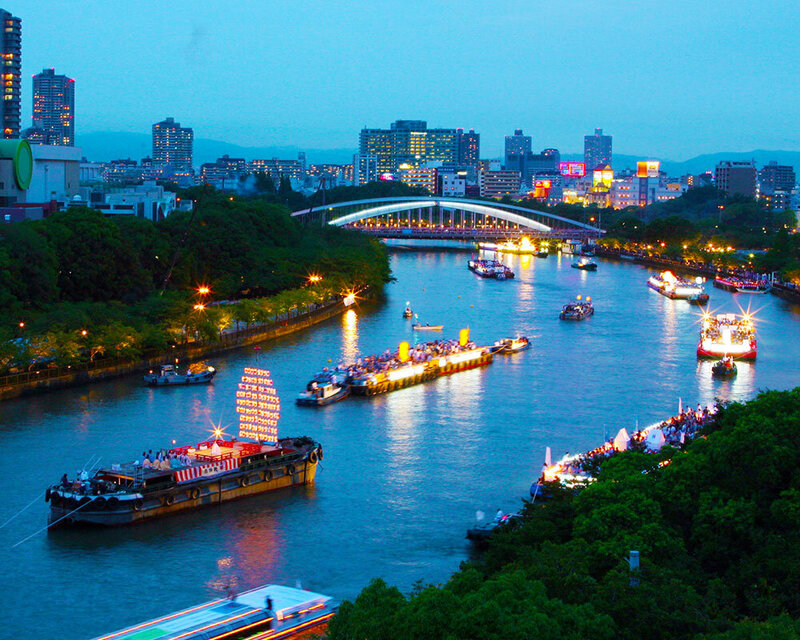
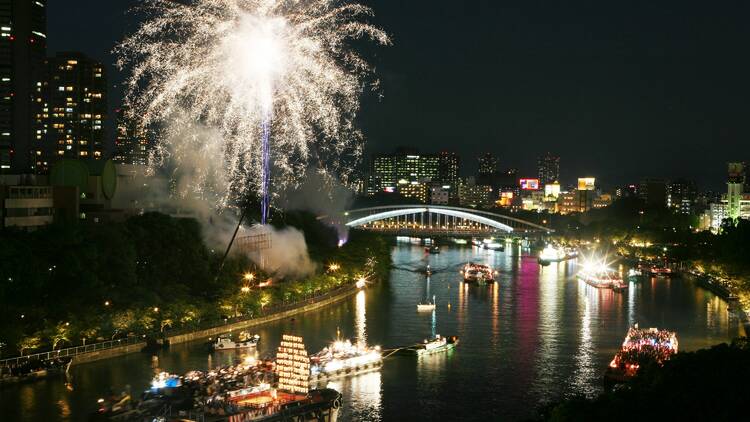
Source: Travel to Japan
The festival builds toward a breathtaking visual crescendo around mid-evening. The Hounabi dedication fireworks launch into the dark sky, bursting directly over the floating river procession.
What makes this sight so distinct is the convergence of elements. Brilliant sparks rain down from the sky, reflecting off the dark river water below. On the surface, the glowing fireworks mix seamlessly with the smoke and light of massive bonfires built directly on the decks of the passing riverboats. It is a striking sensory display that perfectly captures Osaka’s bold, unforgettable spirit.
Street Food and the Spirit of the Crowd
Source: Travel to Japan
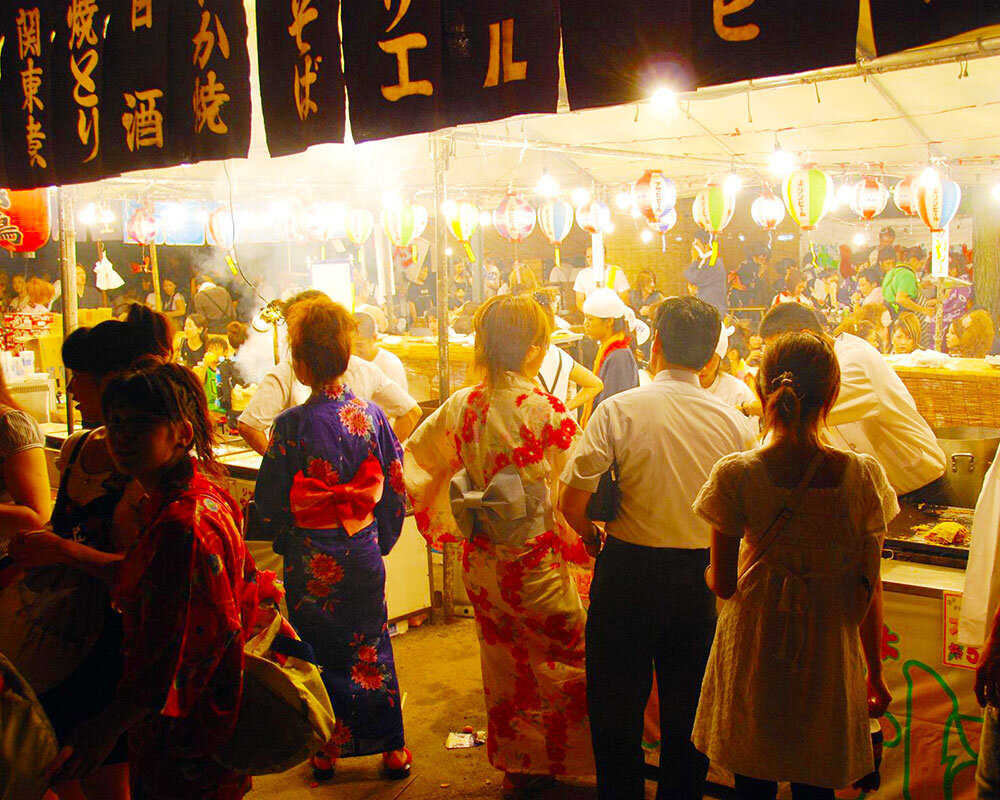
You cannot separate the spirit of an Osaka festival from its legendary food culture. Lining the riverbanks of Kema Sakuranomiya Park, hundreds of yatai (vibrant street food stalls) fuel the massive gathering.
The evening air fills with the savory scent of sizzling Takoyaki (octopus balls), Yakisoba, and Hashimaki (okonomiyaki wrapped around a stick). Locals and travelers alike gather shoulder-to-shoulder on the grassy banks, enjoying cold drinks under the summer stars. This unpretentious, shared joy is the true heartbeat of the event.
Ready to Spend your Summer?
The Tenjin Matsuri Festival is more than just a beautiful photo opportunity; it is the ultimate expression of Osaka’s proud, unstoppable community spirit. By seamlessly mixing sacred 1,000-year-old traditions with modern city energy, it offers an unmatched glimpse into the heart of Japanese summer culture.
FAQ
The festival occurs annually over two days, with the primary rituals, land parade, and water procession peaking on July 25th.
The main activity centers along the Okawa River, particularly between the Tenmabashi and Heshin bridges. The banks near Kema Sakuranomiya Park offer excellent views of both the passing boats and the dedication fireworks.
No, the vast majority of the festival areas along the streets and riverbanks are completely free to the public. However, if you prefer to avoid the massive crowds, paid grandstand seating along the riverbanks can be reserved in advance.
The festival began in 951 AD to honor the Shinto deity Sugawara no Michizane. The water procession originally served as a way to carry the deity’s spirit through the city to ensure prosperity, good health, and protection against diseases for the people of Osaka.
You may also like
https://www.thehiplife.asia/thailand/where-to-stay-in-bangkok-that-isnt-on-every-influencers-page/
https://www.thehiplife.asia/asia/luxury-hotels-in-asia-6-stays-worth-the-splurge/


