

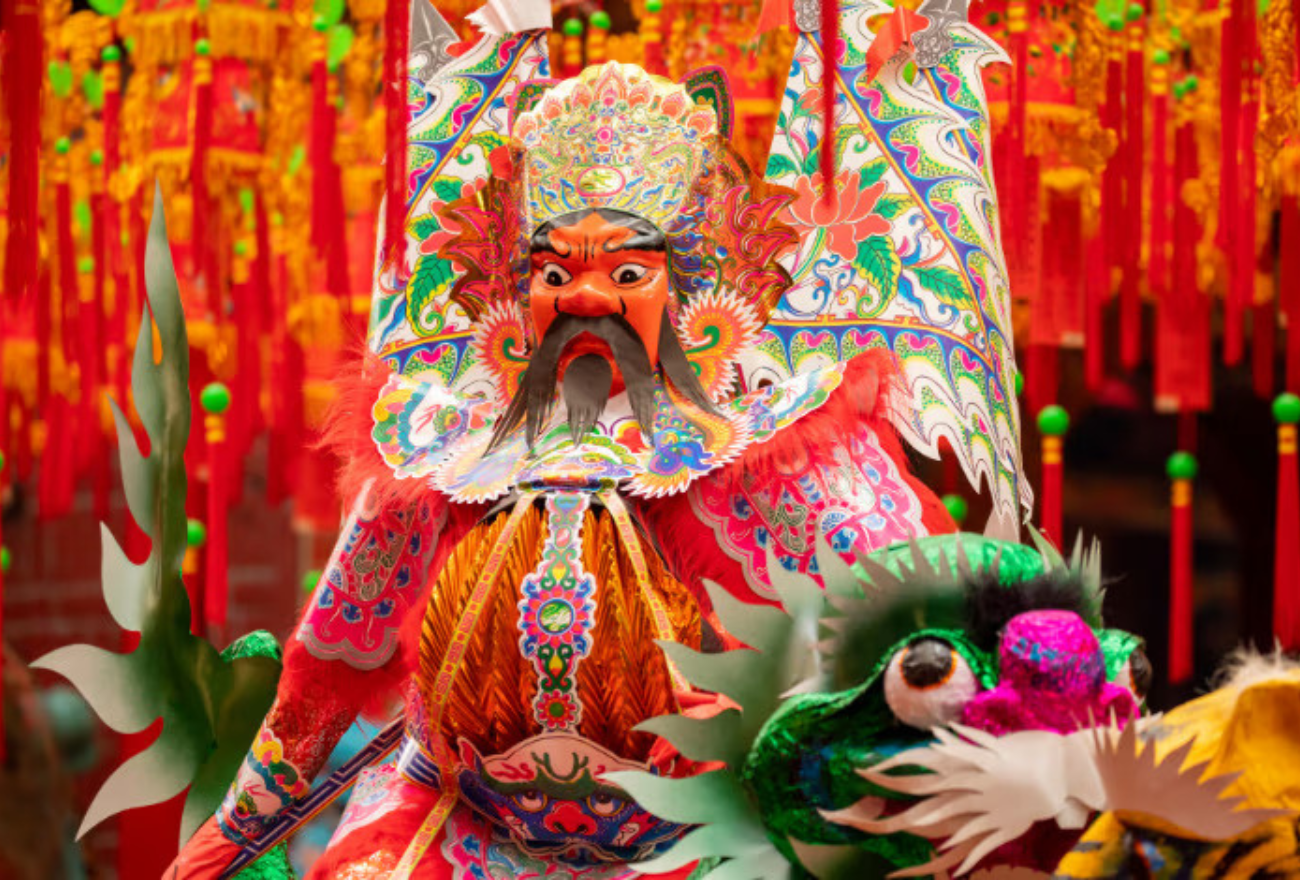
When traveling to Singapore during the 7th Lunar Month, you witness a captivating side of the island state that extends far beyond its ultra-modern skyscrapers, luxury shopping malls, and futuristic architecture.
Specifically, this period marks the annual Hungry Ghost Festival (Zhong Yuan Jie), a deeply rooted Taoist and Buddhist tradition observed across Southeast Asia. Consequently, everyday heartland neighborhoods transform into vibrant cultural hubs filled with the scent of burning incense, street-side altars, and the lively sounds of traditional stage performances.
Furthermore, experiencing this month-long observance offers travelers a rare, intimate look into Singapore’s rich living heritage and community traditions. Understanding these rituals allows you to navigate the city’s heartlands with deep respect, genuine curiosity, and authentic cultural appreciation.
What is the Hungry Ghost Festival?
According to traditional Chinese beliefs, the gates of the underworld open during the seventh month of the lunar calendar. As a result, spirits and wandering ghosts are permitted to visit the living world for thirty days.
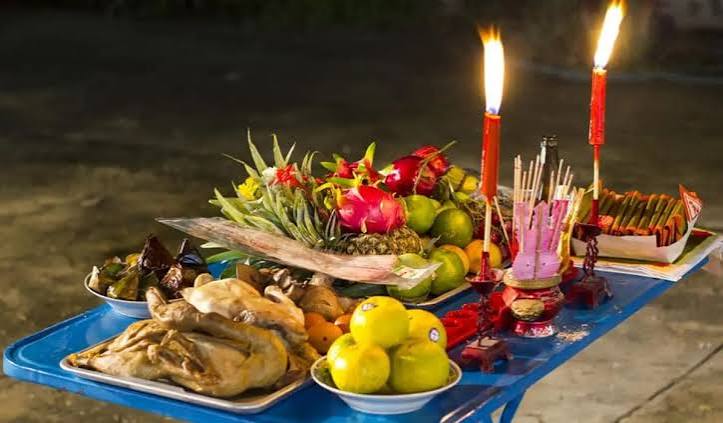
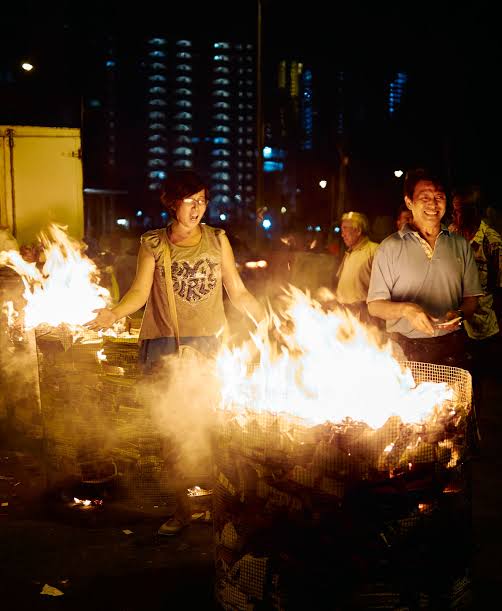
Furthermore, local residents perform daily rituals to honor their ancestors and appease restless spirits. Walking through housing estates (HDBs), you will notice dedicated metal burners, small food altars, and glowing candles placed along footpaths.
Live Getai Stages & Traditional Chinese Opera
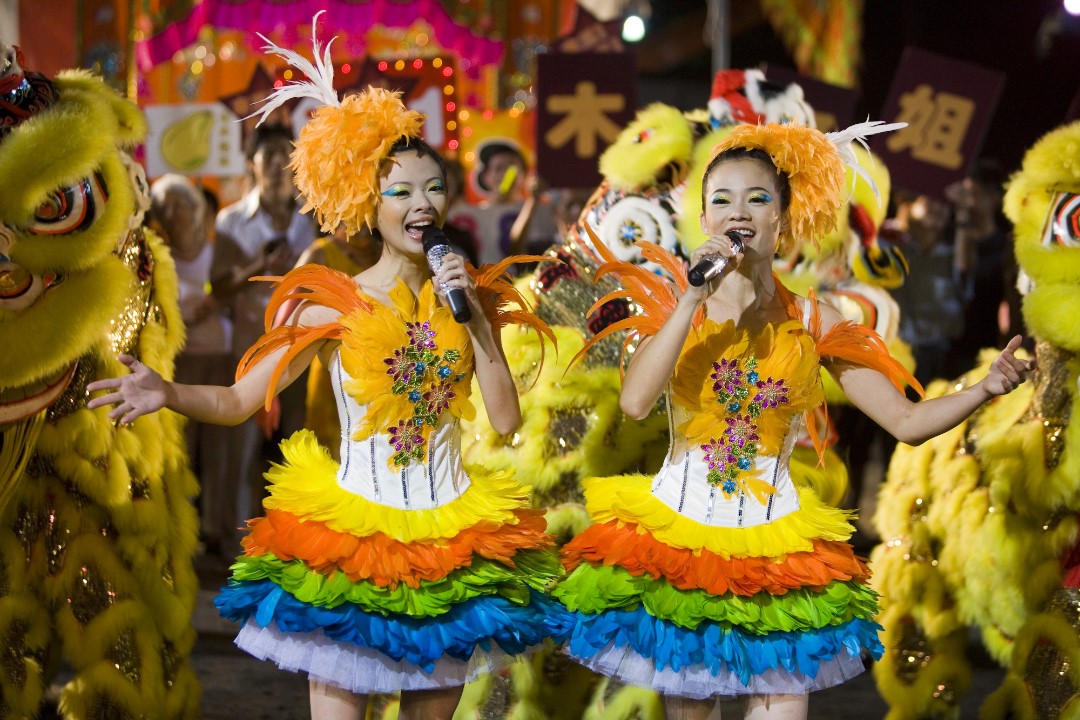
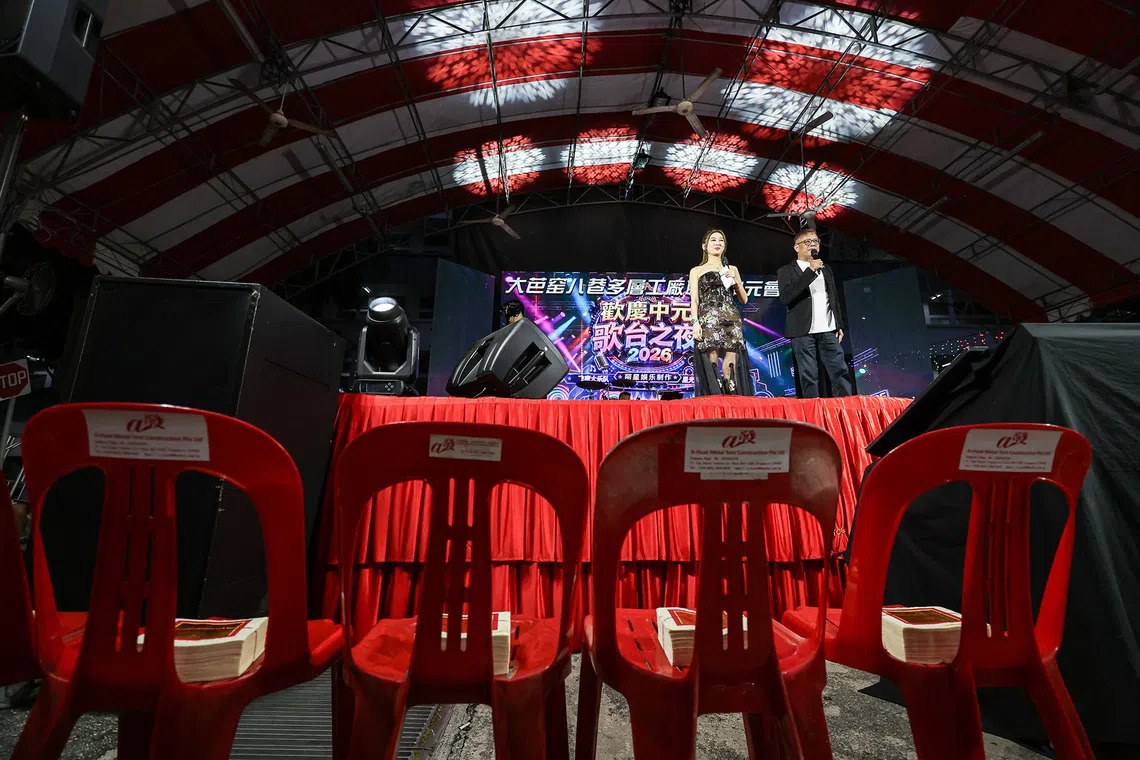
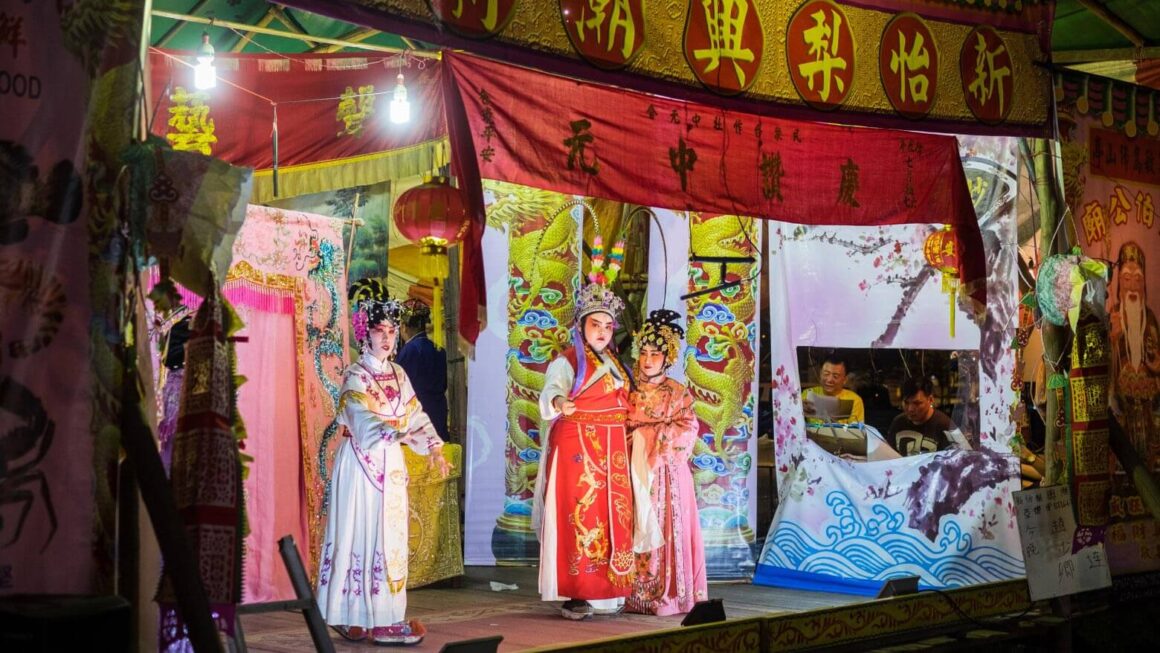
The heartbeat of the festival lies in its evening entertainment. Temporary stages spring up across Singapore’s neighborhoods to host high-energy Getai (歌台) concerts and traditional Wayang (Chinese opera) performances.
Key Stage Traditions & Rules
Modern Evolution: Today, young performers and organizers are breathing new life into Getai by incorporating modern pop hits, digital LED backdrops, and live streams alongside traditional dialect songs.
The Empty Front Row: When attending a live Getai performance, you will notice the entire front row of red chairs remains vacant. Specifically, these prime seats are strictly reserved for the unseen guests of honor—the visiting spirits.
Essential Festival Etiquette: Do’s and Don’ts for Travelers
Navigating Singapore during the 7th Lunar Month is completely safe and culturally fascinating, provided you observe a few fundamental guidelines.
What to Avoid
- Do Not Step on Offerings: Avoid stepping on or kicking the small piles of food, rice grains, or joss paper ashes placed along sidewalks.
- Do Not Touch Loose Items: If you see coins, banknotes, or food placed along the curb, leave them untouched as they belong to wandering spirits.
- Do Not Sit in the Front Row: Always leave the front row of red plastic chairs open at Getai stage setups.
What to Respect
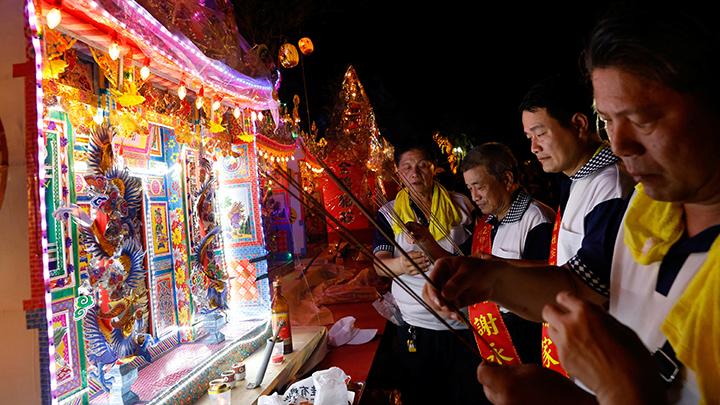
- Take Photos Respectfully: Capturing photos of Getai performances is welcomed, but keep a respectful distance from active family prayer altars and incense burning rituals.
- Use Designated Walkways: Stick to well-lit footpaths and avoid walking directly through areas where incense burning is taking place.
Exploring Singapore during the 7th Lunar Month reveals a powerful connection to heritage that thrives right alongside the city’s rapid modernization. By embracing local customs, respecting roadside altars, and taking in a Getai show from a friendly distance, you gain a unique perspective on the island’s enduring cultural heart.
FAQ
The festival occurs annually during the 7th month of the Lunar Calendar, which typically falls between mid-August and early September.
Yes, Getai shows held in heartland neighborhoods and hawker center clearings are completely free and open to the public.
Yes, traveling in Singapore during the Hungry Ghost Festival is completely safe. Business operations, public transport, and tourist attractions run normally throughout the entire month.
You may also like
https://www.thehiplife.asia/asia/luxury-hotels-in-asia-6-stays-worth-the-splurge/
https://www.thehiplife.asia/asia/these-hotel-pools-across-asia-are-worth-booking-a-room-for/


