TripAdvisor just named it the best destination on Earth. Here’s why the ranking is both completely deserved and, for most visitors, completely misleading.
Let’s be honest: when TripAdvisor announced that Bali topped its 2026 Travelers’ Choice Awards as the world’s #1 destination — beating out London, Dubai, Paris and New York City — most of us had one of two reactions. The first: “Yes, obviously.” The second: “But have you seen the traffic on Jalan Legian at 5pm?” Both reactions are correct. And that tension is precisely why this article exists. Bali travel 2026 is a story of two completely different islands occupying the same coordinates — and which one you experience depends almost entirely on what you decide to do in the first 48 hours after landing.
WHY THE RANKING IS COMPLETELY DESERVED
For the uninitiated: TripAdvisor’s Best of the Best list doesn’t come from a marketing budget or a tourism board. It’s pulled from millions of verified traveller reviews, which means when Bali claims the top spot, it’s because millions of real people came here and felt genuinely compelled to write something about it. That’s not an easy thing to manufacture — and no other destination managed it better in 2026.

The reason is simple: Bali is the only place on Earth that successfully packages spirituality, natural beauty, world-class food, surf culture, luxury wellness and affordable adventure into a single island that’s roughly the size of Derbyshire. Whether you want sunrise yoga overlooking a volcano, $5 nasi campur from a family warung, a clifftop infinity pool with cocktails, or a forest walk to a 10th-century temple that nobody else is photographing — Bali has it. Usually within 45 minutes of each other.
TripAdvisor called it a “living postcard.” That’s understating it. Bali is more like a living contradiction — chaotic and peaceful, commercially developed and spiritually alive, ancient and achingly trendy. It earns the #1 spot because no destination in the world delivers that range of experience for that range of budgets. Full stop.
WHY THE RANKING IS ALSO COMPLETELY MISLEADING

Here’s the thing about Bali beyond Kuta that most first-time visitors never discover: the island that earned that ranking is not the island most people visit.
The vast majority of Bali’s 7 million+ annual visitors occupy a surprisingly small corner of the island. The rest is waiting.
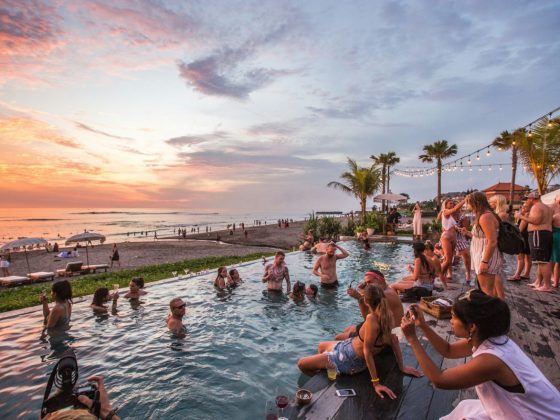
The Kuta-Seminyak-Canggu strip on the southwest coast is where most tourists land, stay and leave having experienced what is — let’s be kind — a heavily commercialised version of Bali. It’s fun! It has great restaurants and beach clubs and genuinely beautiful sunsets. But it is to Bali what Times Square is to New York: technically part of the same destination, but not the part that earns the global ranking.
If you’ve done that trip and came home a little underwhelmed, or you’re planning your first visit and want to do it right, this is the guide you actually need.
THE BALI HIDDEN GEMS MOST VISITORS NEVER FIND
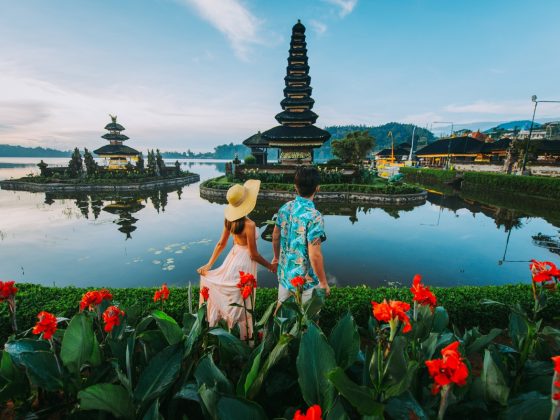
The good news about Bali’s hidden gems is that they’re not particularly hidden — they just require a scooter, a willingness to drive past the Instagram spots, and about 45 minutes of patience.
SIDEMEN VALLEY (East Bali)

Often called the Old Ubud, Sidemen delivers rice terraces, Mount Agung views and village life without the tour buses. The pace is slower, the air is cooler, and the accommodation is a fraction of Ubud prices. Arrive in the morning when mist still sits in the valley.
JATILUWIH RICE TERRACES (Tabanan Region)

UNESCO-listed and genuinely stunning — but because it takes an hour from Seminyak, most tourists skip it entirely for the closer (and far more crowded) Tegallalang. The subak irrigation system here is centuries old and still functioning. Go early and you’ll have it almost to yourself.
PEMUTERAN VILLAGE (North Coast)
A quiet coastal village famous for its coral restoration projects — visitors can now actively participate in reef rebuilding, making it one of the most meaningful travel experiences Bali currently offers. Snorkelling here without the southern crowds is a genuinely different world.
AMED (Northeast Coast)
Black sand beaches, excellent diving and snorkelling, a relaxed fishing village atmosphere and consistently gorgeous sunrises over Mount Agung across the water. It’s a different Bali entirely — one where the locals still outnumber the tourists and life moves at its own pace.
UBUD VS CANGGU: THE DECISION THAT DEFINES YOUR TRIP

If you’re choosing between Bali’s two most popular bases, here’s the honest comparison: Ubud vs Canggu is essentially the question of what kind of traveller you are right now.
Canggu is where you go if you want surf, specialty coffee, beach clubs, a buzzing social scene, and the beautiful chaos of a neighbourhood that’s becoming one of Asia’s most stylish destinations. The food scene is extraordinary. The vibe is young, international and energetic. If you want to feel like you’re part of something happening, Canggu delivers. Just know that it’s evolved into one of the most expensive areas in Bali, and that the “hidden gem” status it had five years ago is firmly in the past.
Ubud is for when you want the cultural heartland — rice terrace walks, traditional dance performances, temple ceremonies, cooking classes with local families, and the sense that you’re in the Bali that inspired Elizabeth Gilbert. It’s slightly more touristy than its spiritual reputation suggests, but the surrounding villages, forest walks and rice paddies still deliver. Ubud is the better base if you plan to explore Bali beyond Kuta — it puts you within striking distance of Sidemen, Jatiluwih and the east coast.
The real answer, if you have a week or more? Spend 3 nights in Canggu, 3 in Ubud, and one night somewhere east — Sidemen, Amed, or Candidasa — to bookend the trip with something genuinely quiet and real.
BALI ON A BUDGET: WHAT IT ACTUALLY COSTS IN 2026
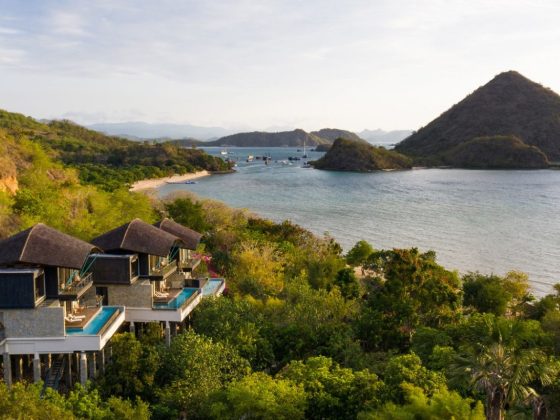
One of the reasons Bali earned the #1 spot is the sheer range of its Bali budget options. This is a destination that works for backpackers spending $35 a day and couples spending $400 a night at an Alila villa.

Accommodation: $15–25/night (guesthouse) → $60–120/night (boutique villa)
Food per day: $8–12 (warungs only) → $20–35 (mixed)
Scooter hire: $5–7/day (same at all budgets)
Activities: $10–20/day → $25–60/day
Daily total (exc. flights): ~$40–50 → ~$110–220

The smart Bali budget move in 2026 is staying slightly outside the tourist epicentres. A boutique villa in Sidemen or Amed costs 40–60% less than an equivalent property in Seminyak or Canggu — and the views are often better.
ONE THING BEFORE YOU BOOK
Bali earned the world’s #1 destination ranking because, for millions of travellers, it delivered something they couldn’t quite put into words — an experience that combined beauty and meaning in a way most destinations never manage. That version of Bali is still very much there. It’s just not always where the tour buses go.
Rent a scooter. Drive past the famous spots. Stop when something interesting appears on the side of the road. The Bali that tops global rankings isn’t in any guidebook — it’s in the 45 minutes after you decide to take the scenic route home.
That’s the trip worth booking.
You May Also Like
https://www.thehiplife.asia/indonesia/can-we-all-agree-balis-still-the-perfect-weekend-spot/
https://www.thehiplife.asia/indonesia/guides-indonesia/what-to-do-in-canggu-bali-on-a-solo-trip/
https://www.thehiplife.asia/indonesia/8-most-romantic-stays-in-bali-indonesia/