

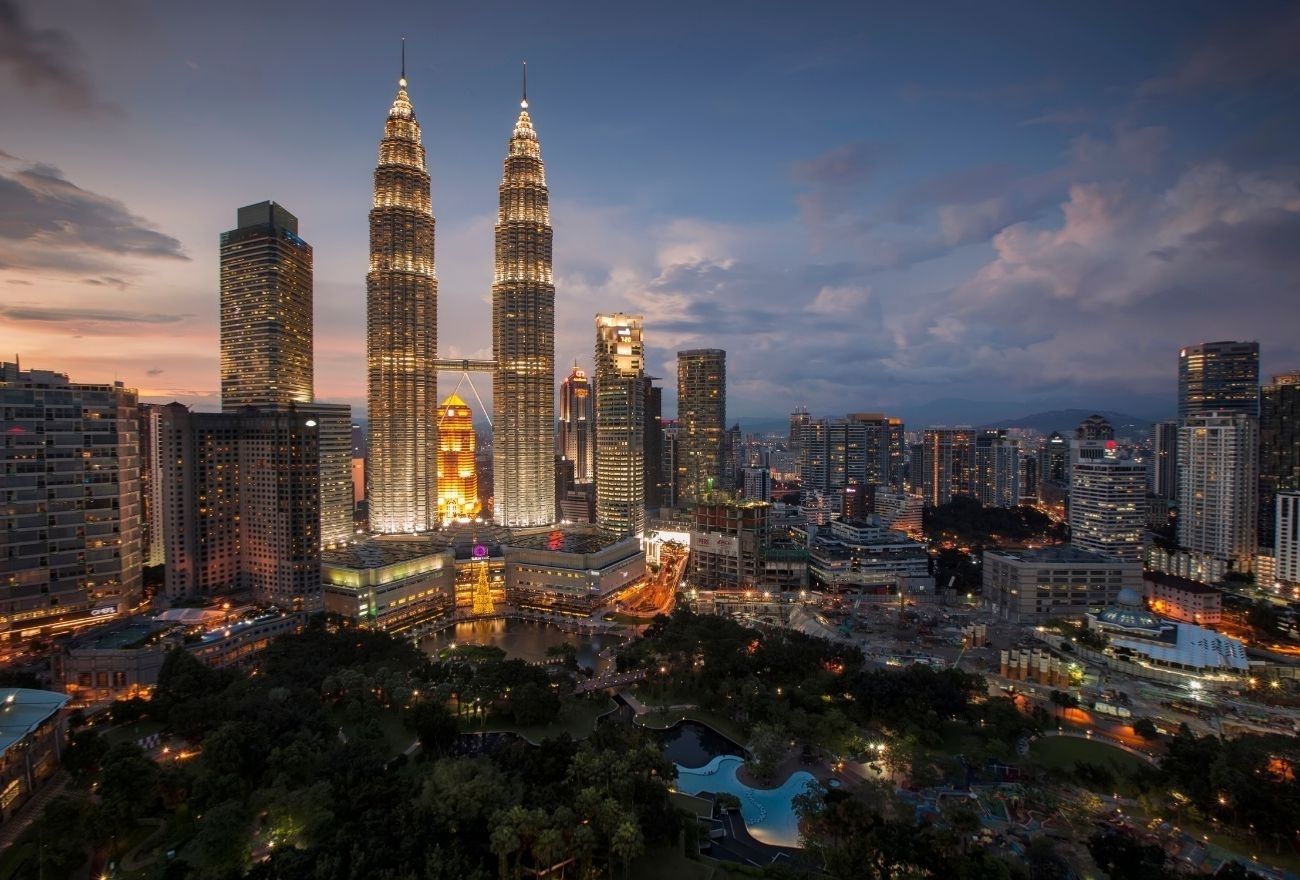
Malaysia is one of Southeast Asia’s safer destinations — but “generally safe” doesn’t help you decide whether to walk back from Petaling Street at midnight or take a Grab. This guide gives you honest, location-specific verdicts for the places tourists actually visit, from Bukit Bintang to Chow Kit, so you can plan with confidence rather than guesswork.
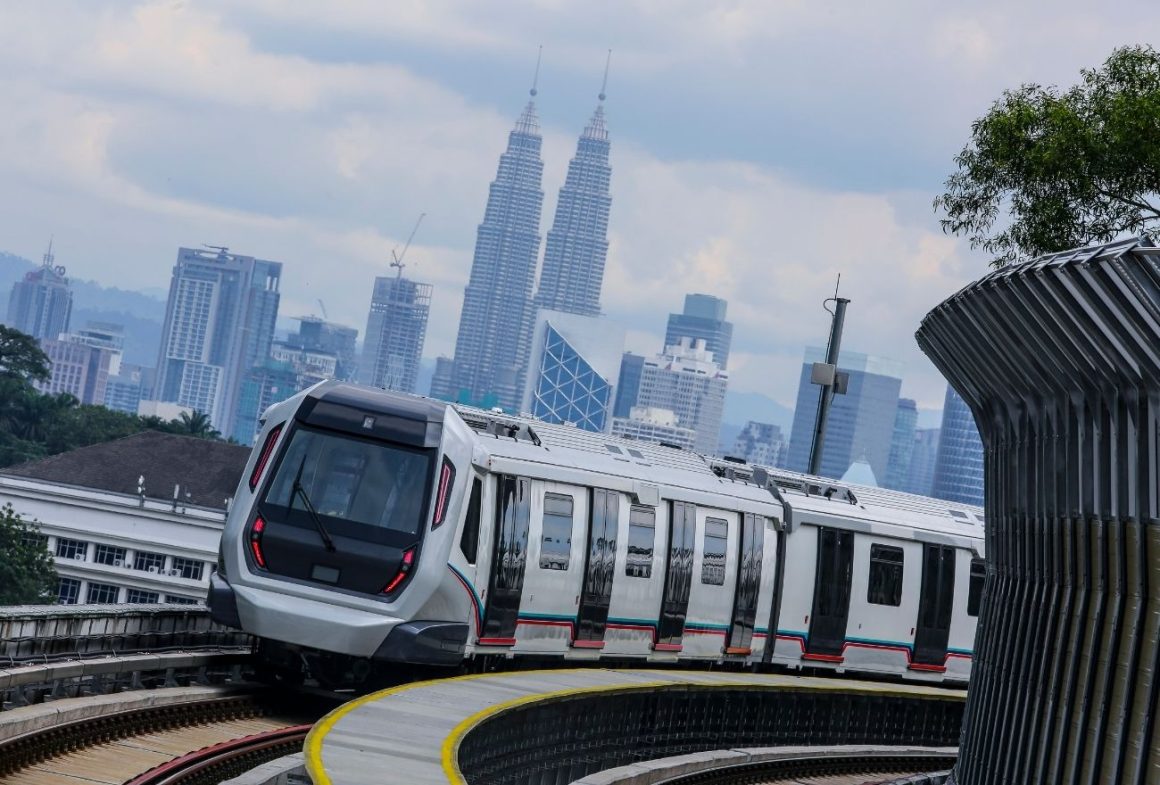
According to the Global Peace Index 2025, Malaysia ranked 13th globally and 4th in the Asia-Pacific region. Most visitors travel around the country without major issues, including solo travellers and families. Violent crime against tourists is uncommon, public transport in major cities is modern and widely used, and popular tourist areas are generally well monitored.
That said, safety in Malaysia depends heavily on where you are and what time it is. Kuala Lumpur can feel completely different during the day versus after midnight, especially outside the main tourist districts. Knowing which areas stay lively at night — and which ones empty out quickly — makes a huge difference.
Here’s everything you need to know about safety in Malaysia for travellers:
Is Malaysia Safe for Tourists Overall ?
Yes — Malaysia is normally safe for tourists, including solo travellers, couples and families. Compared to many neighbouring destinations, Malaysia has relatively strong infrastructure, reliable mobile connectivity, widespread English usage in tourist areas and accessible transport options.
Tourist-heavy neighbourhoods in Kuala Lumpur, Penang and Langkawi are designed around visitors and are easy to navigate. Ride-hailing apps like Grab are widely used and significantly reduce common taxi issues such as fare negotiation or meter refusal. Shopping malls, train stations and major attractions usually have visible security presence and CCTV coverage.
The most common issues tourists encounter are petty crimes rather than violent incidents. Pickpocketing, phone snatching and taxi overcharging are far more likely than anything serious. In most cases, basic city awareness is enough to avoid problems.
Common Safety Concerns in Malaysia
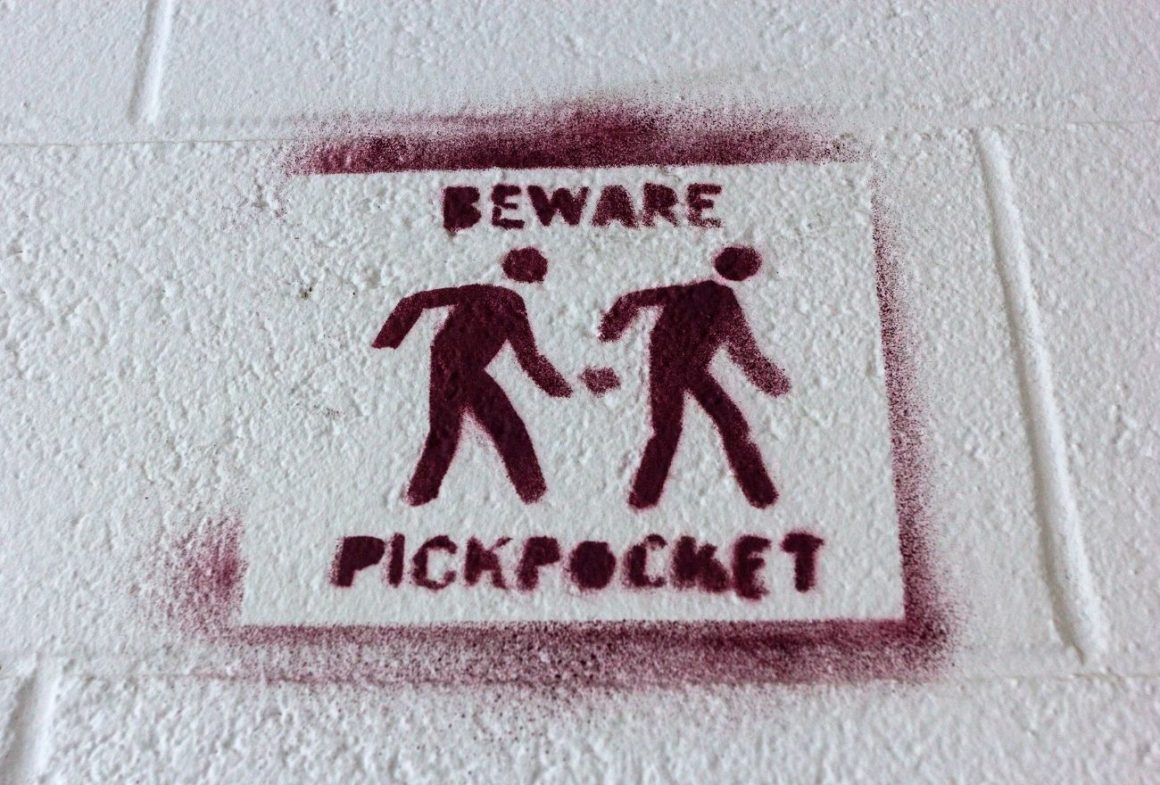
Pickpocketing
Pickpocketing happens most often in crowded tourist zones such as Petaling Street, busy MRT stations and night markets. It’s usually opportunistic rather than aggressive.
Areas where tourists tend to get distracted – especially around bargain stalls, food streets and festival crowds – are where phones and wallets disappear fastest. Wearing a crossbody bag and keeping valuables zipped up is usually enough to avoid issues.
Snatch Theft
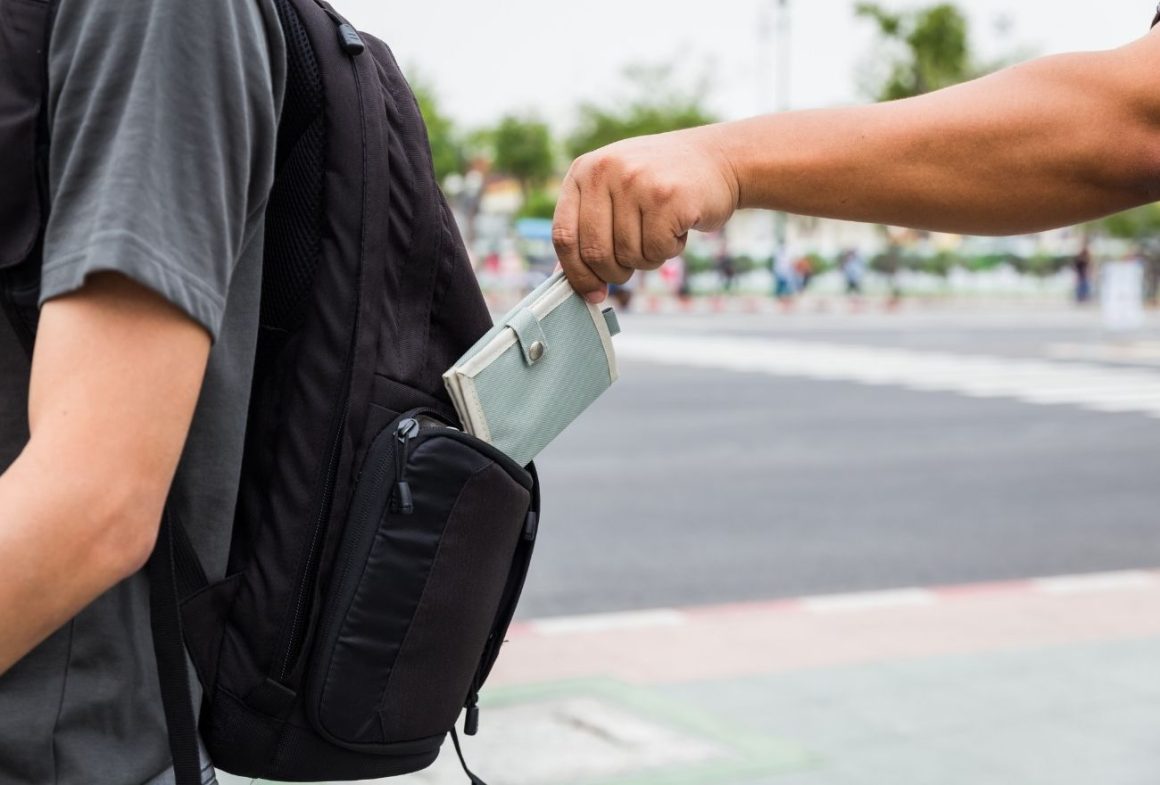
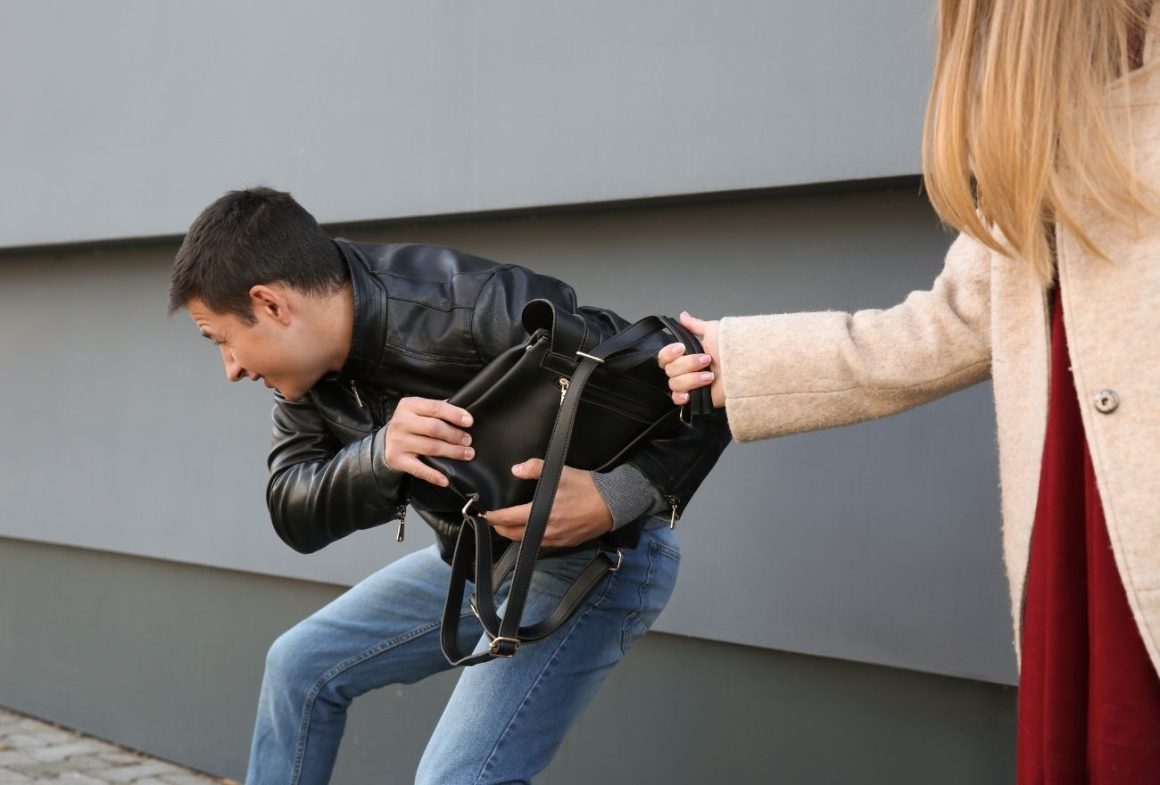
Snatch theft is one of the more specifically Malaysian street crimes tourists should know about. It typically involves someone on a motorcycle grabbing a handbag or phone from pedestrians walking close to traffic.
This is why locals often carry bags on the side furthest from the road. Using your phone while walking near busy streets in KL also increases risk, especially around older commercial districts.
Tourist Scams
Malaysia’s tourist scams are generally low-level annoyances rather than serious threats. The most common involve:
- Taxi drivers refusing meters
- Overpriced tours sold near attractions
- Fake donation collectors
- ATM card-skimming in tourist-heavy areas
If something feels rushed or overly pushy, walk away. Most legitimate businesses in tourist areas are straightforward and easy to deal with.
Taxi Overcharging
This still happens around high-tourist zones, especially near Petaling Street, Bukit Bintang nightlife areas and transport hubs late at night. Using Grab almost completely eliminates this issue – prices are fixed upfront, routes are tracked and the app is widely trusted by both locals and tourists.
Flooding & Monsoon Season
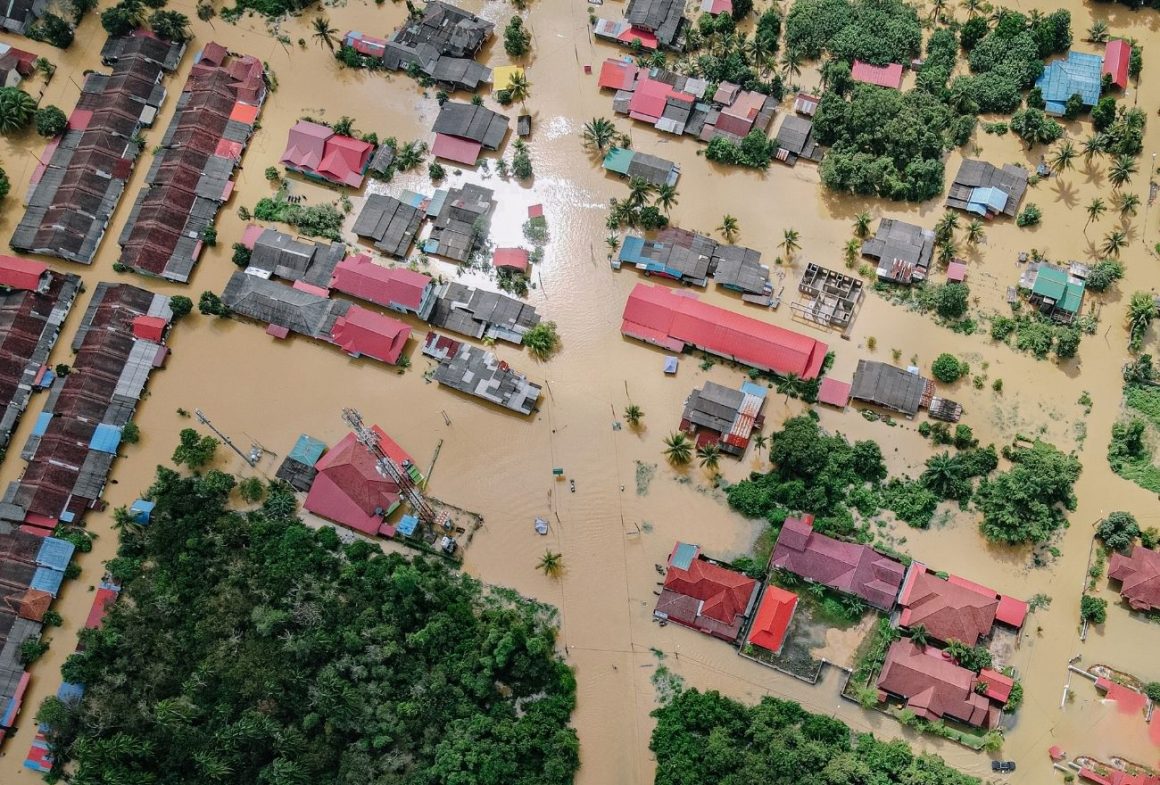
Malaysia’s monsoon seasons can disrupt travel, especially on the east coast and in flood-prone parts of Kuala Lumpur. Heavy rain alone usually isn’t dangerous, but flash flooding can temporarily affect roads, train lines and island ferry schedules. During monsoon months, flexibility matters more than safety concerns.
Is Kuala Lumpur Safe ?
Yes — Kuala Lumpur is generally safe for tourists, including solo female travellers. The city is modern, heavily visited and easy to navigate compared to many large capitals in the region. The biggest difference is day versus night.
During the daytime, most tourist districts are busy, well connected and comfortable to walk around. After dark, some areas stay energetic and safe while others empty out quickly and feel noticeably less comfortable. For most visitors, Kuala Lumpur feels safer than expected once they understand which neighbourhoods are best explored at certain times of day.
Is Malaysia Safe for Solo Female Travelers ?
Yes — Malaysia is considered one of the easier Southeast Asian countries for solo female travel. Kuala Lumpur, Penang and Langkawi all have well-developed tourist infrastructure, reliable ride-hailing services and large numbers of international visitors. Many solo female travellers find Malaysia less intense than destinations where aggressive touting or transport scams are more common.
That said, comfort levels still depend heavily on location and timing. Walking alone in Bukit Bintang at 9pm feels very different from walking alone in quieter parts of Chow Kit after midnight. Using Grab at night, avoiding isolated side streets and staying in central neighbourhoods are usually enough to make solo travel in Malaysia feel straightforward and comfortable.
Are These Areas Safe ? Our Honest Verdict on KL’s Most Visited Neighbourhoods
Petaling Street (Chinatown)
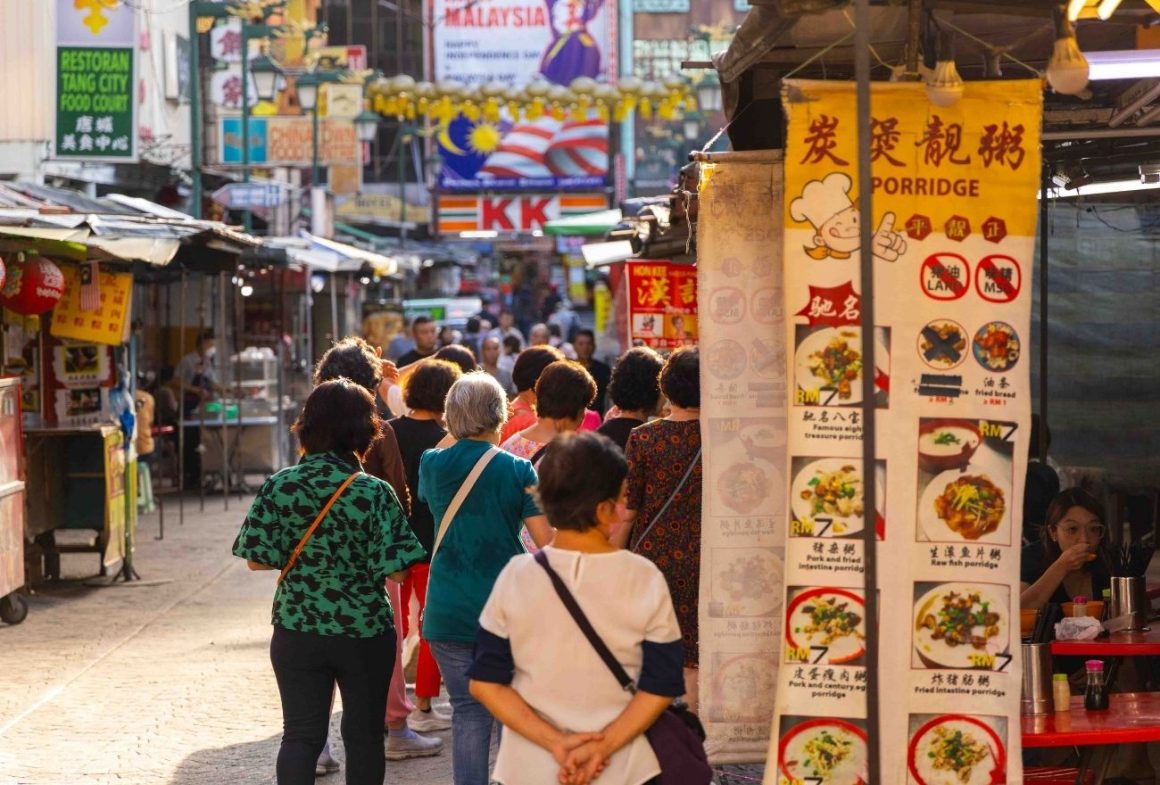
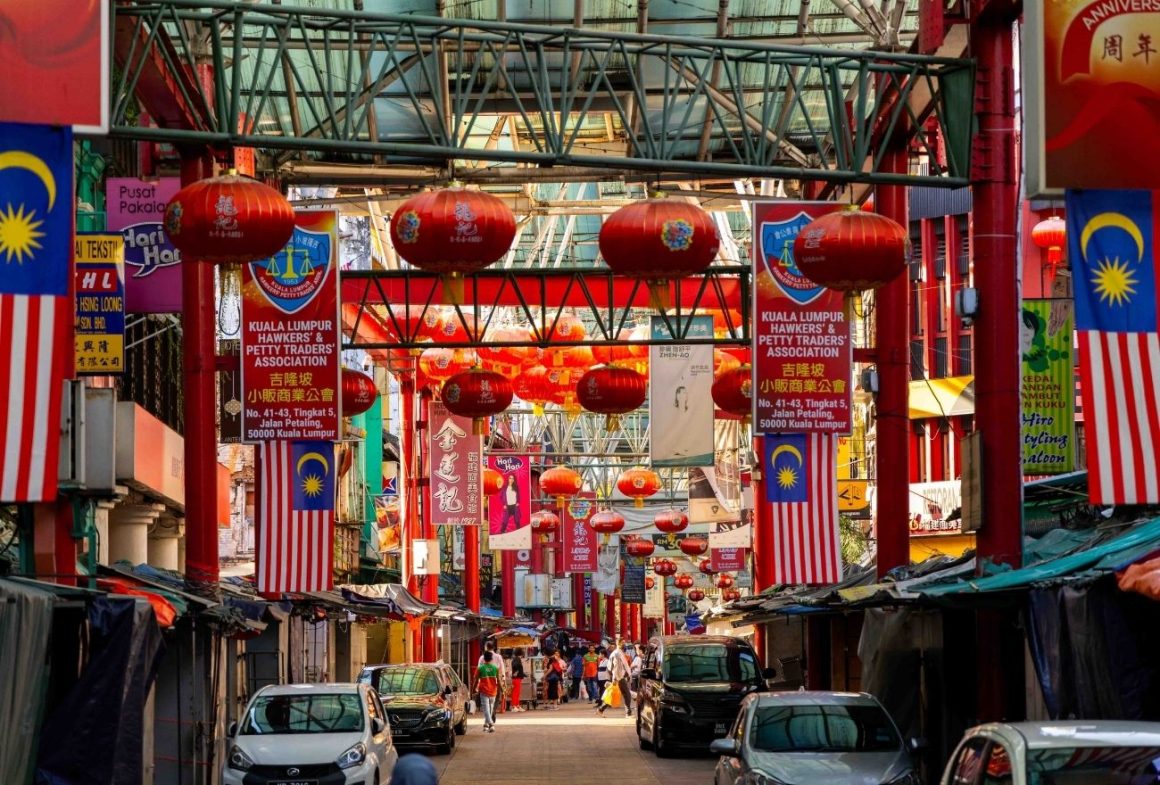
Daytime: Generally safe and worth visiting. The market stays busy with tourists, souvenir stalls and food vendors throughout the day. Keep your bag in front of you around the tighter sections near the main entrance where crowds bottleneck.
After dark: The atmosphere changes quickly once the market begins closing. Some side streets off Jalan Petaling become quiet and poorly lit. Solo travellers are usually better off sticking to the main strip and leaving before it gets too late.
Watch for: Unlicensed taxis waiting near the edges of Chinatown often quote inflated flat rates to tourists.
Bukit Bintang
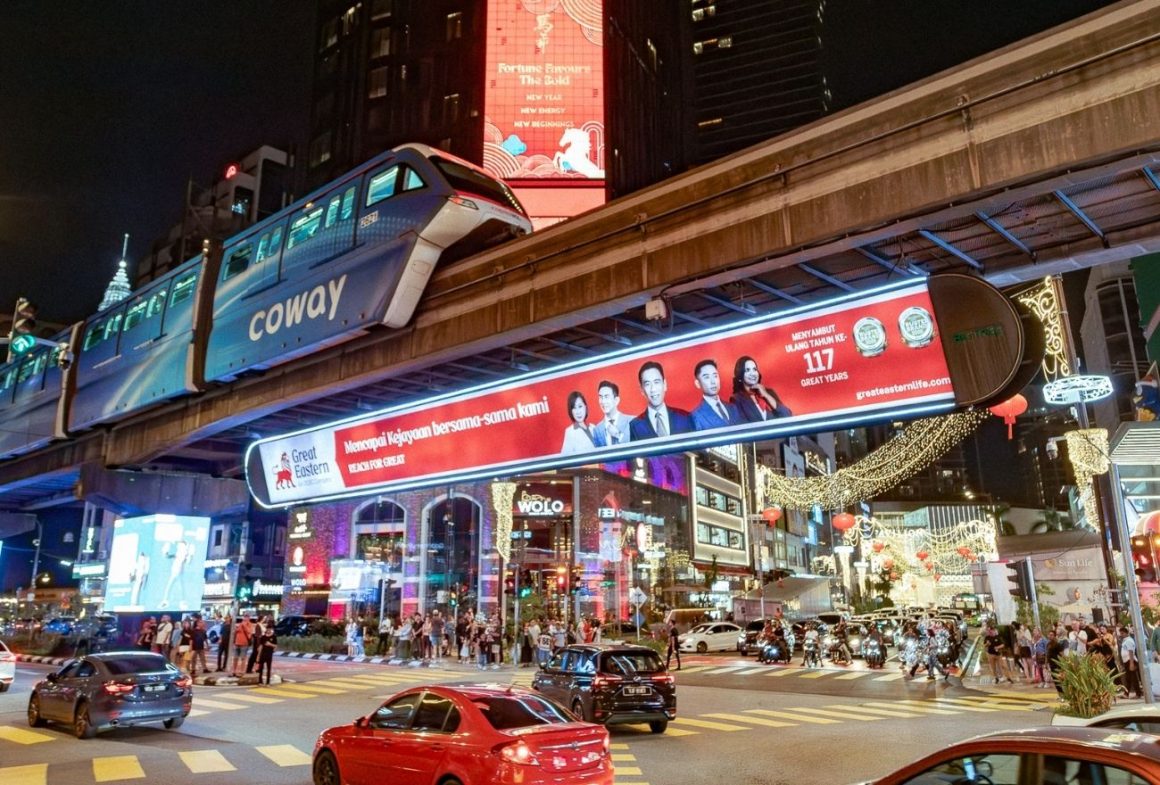
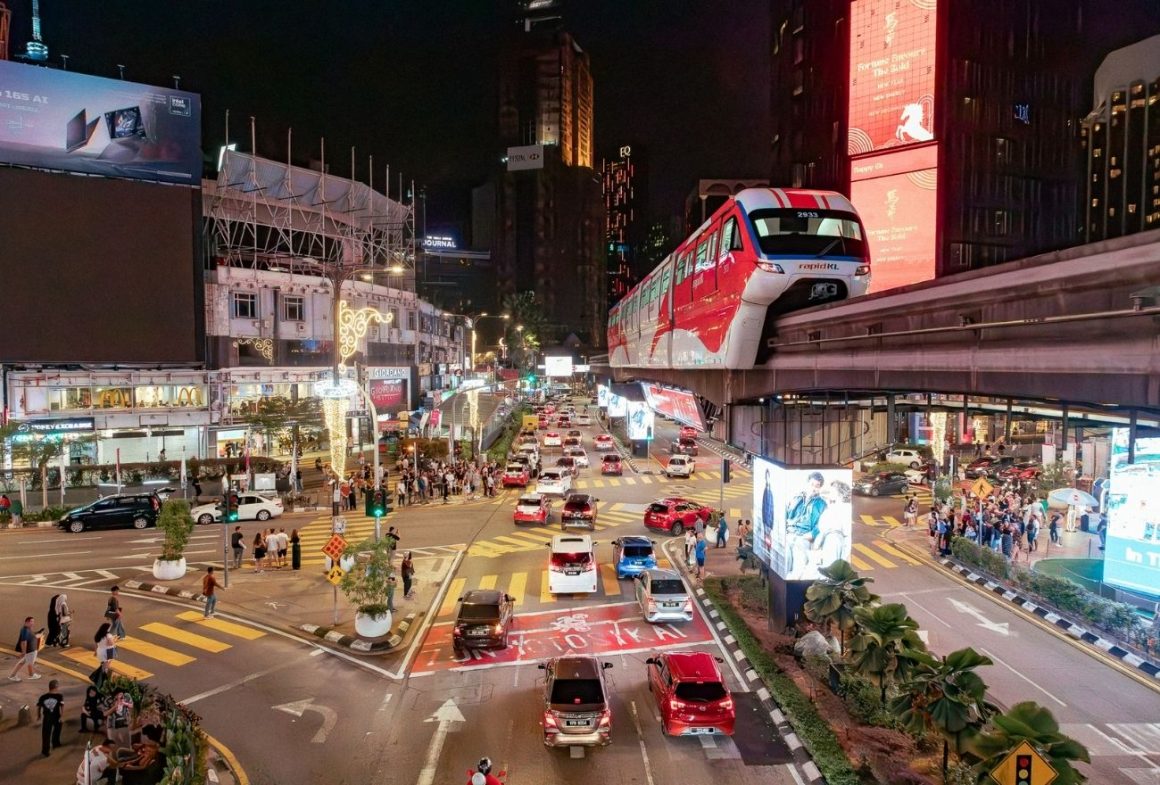
Daytime: One of the safest and easiest areas in Kuala Lumpur for tourists. Shopping malls, cafés and hotels dominate the district and there are always people around.
After dark: Still one of the city’s safest nightlife areas. Jalan Alor remains lively well into the night with locals, tourists and food stalls creating constant foot traffic.
Watch for: Phone snatching near roadsides. Avoid walking while staring at your phone near traffic.
KLCC & Pavilion Mall Area
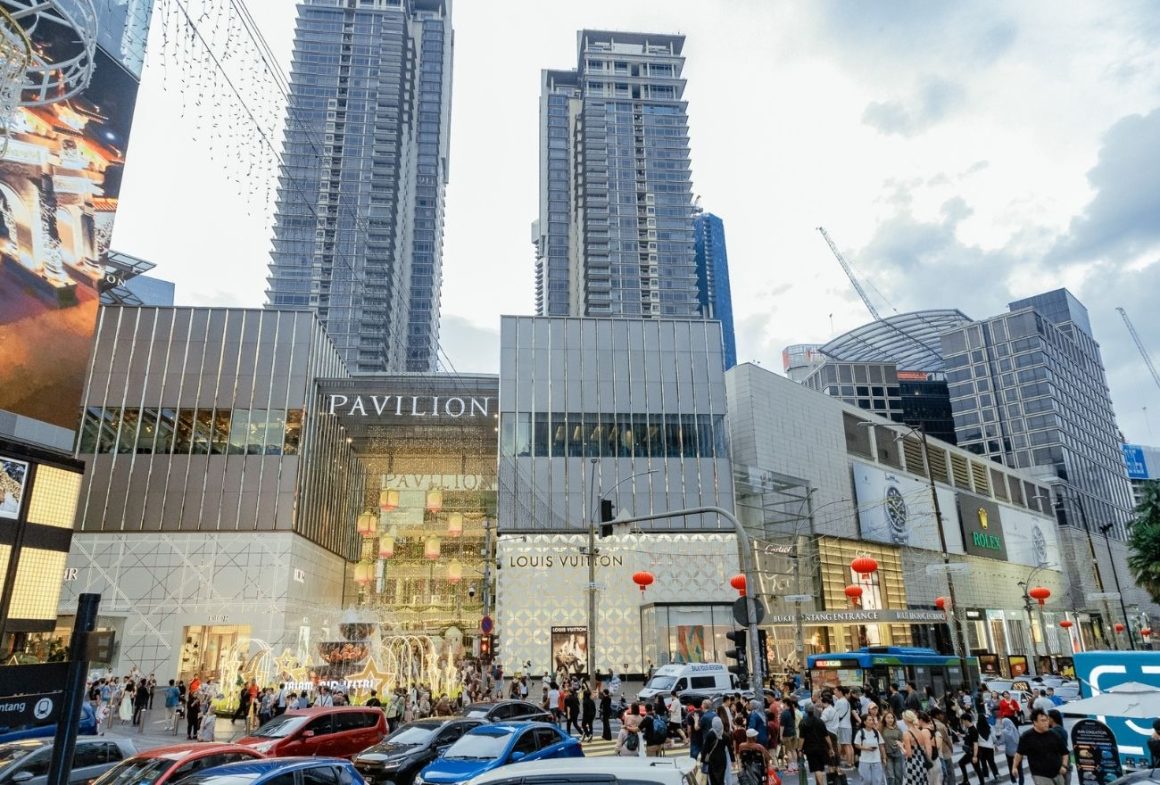
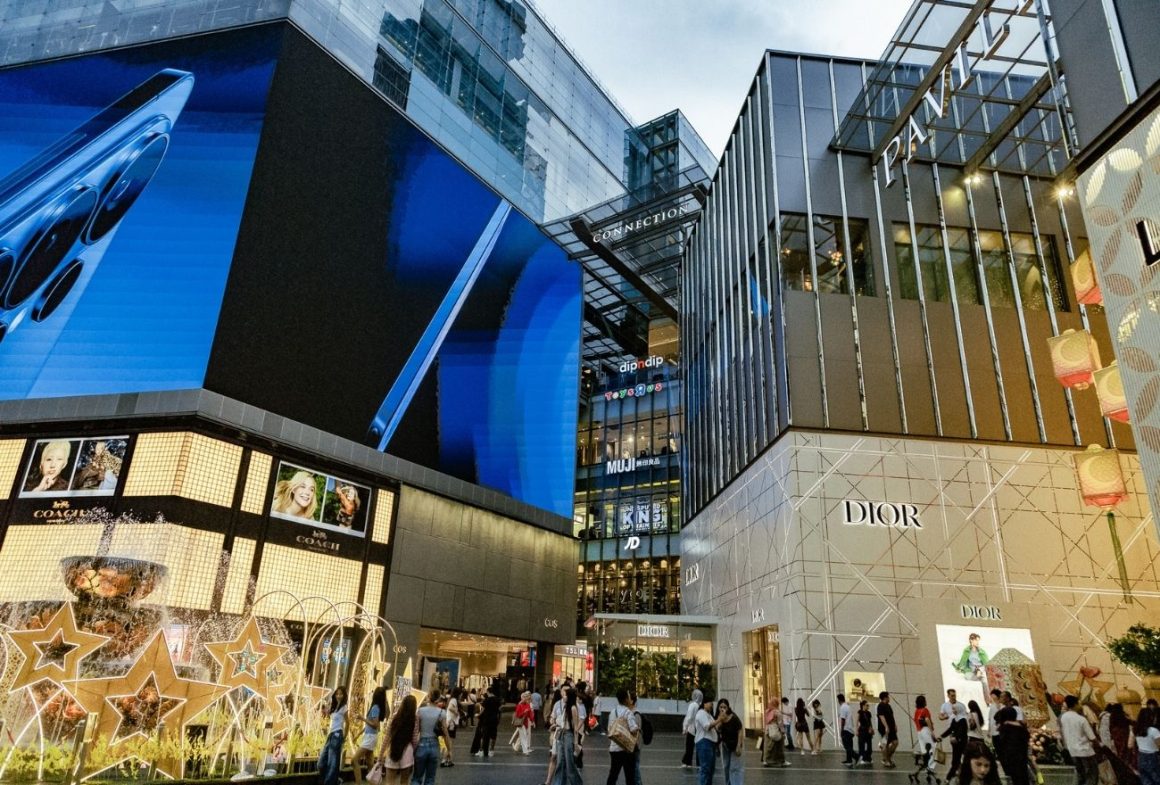
Daytime: Very safe. This is one of the most polished and heavily monitored parts of Kuala Lumpur. The areas around Suria KLCC and Pavilion KL have visible security and strong tourist infrastructure.
After dark: Still comfortable for most travellers, including solo female visitors. The parks and walkways remain active in the evening, particularly around the Petronas Twin Towers.
Watch for: Tourist distraction theft around the crowded fountain and photo areas.
Chow Kit
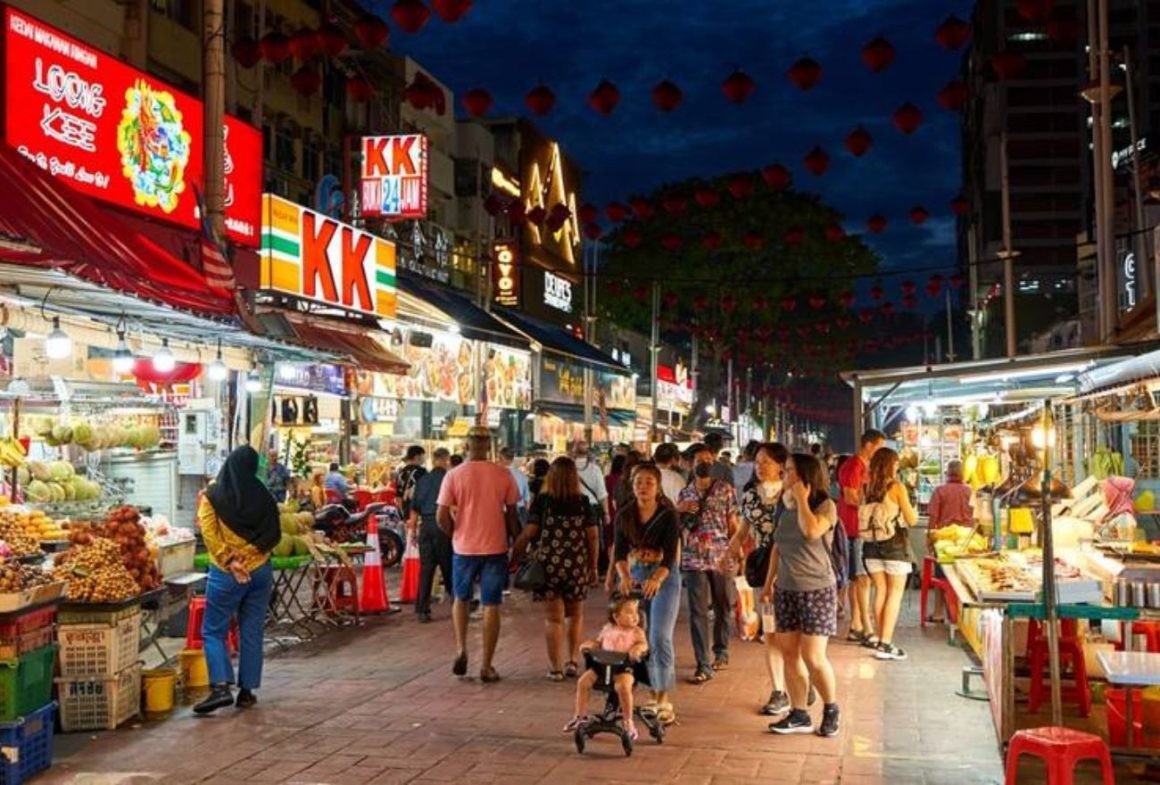
Photo Credit : Traveloka
Daytime: Fine during daylight hours, especially around the wet market and food stalls. It feels more local and less tourist-oriented than Bukit Bintang or KLCC.
After dark: The atmosphere becomes noticeably rougher and quieter. Not a dangerous area, but solo travellers may feel uncomfortable walking alone late at night.
Watch for: Poorly lit side streets and quieter roads after businesses close.
Bangsar
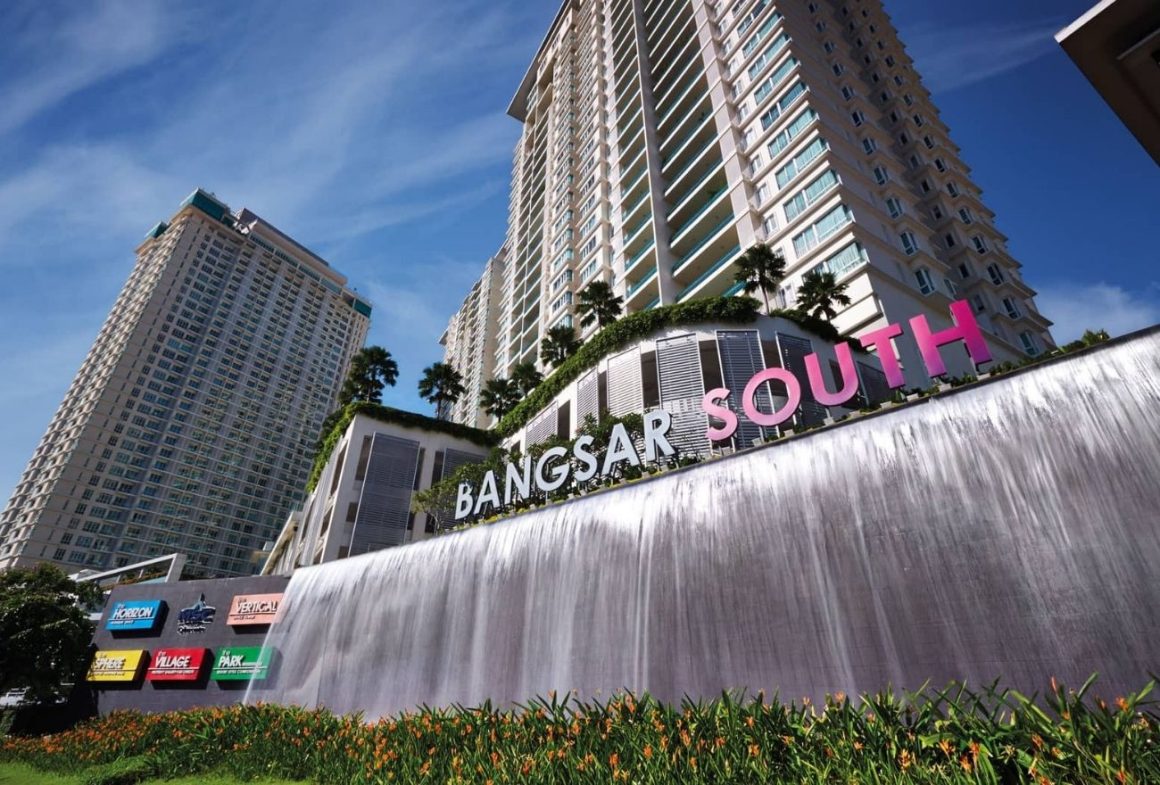
Photo Credit : bangsarsouth
Daytime: Relaxed, modern and popular with expats and locals. Cafés, restaurants and co-working spaces make it feel very easygoing.
After dark: One of the more comfortable neighbourhoods in KL to walk around at night. Busy restaurants and bars keep the area active without feeling chaotic.
Watch for: Heavy traffic and expensive parking rather than crime.
Brickfields (Little India)
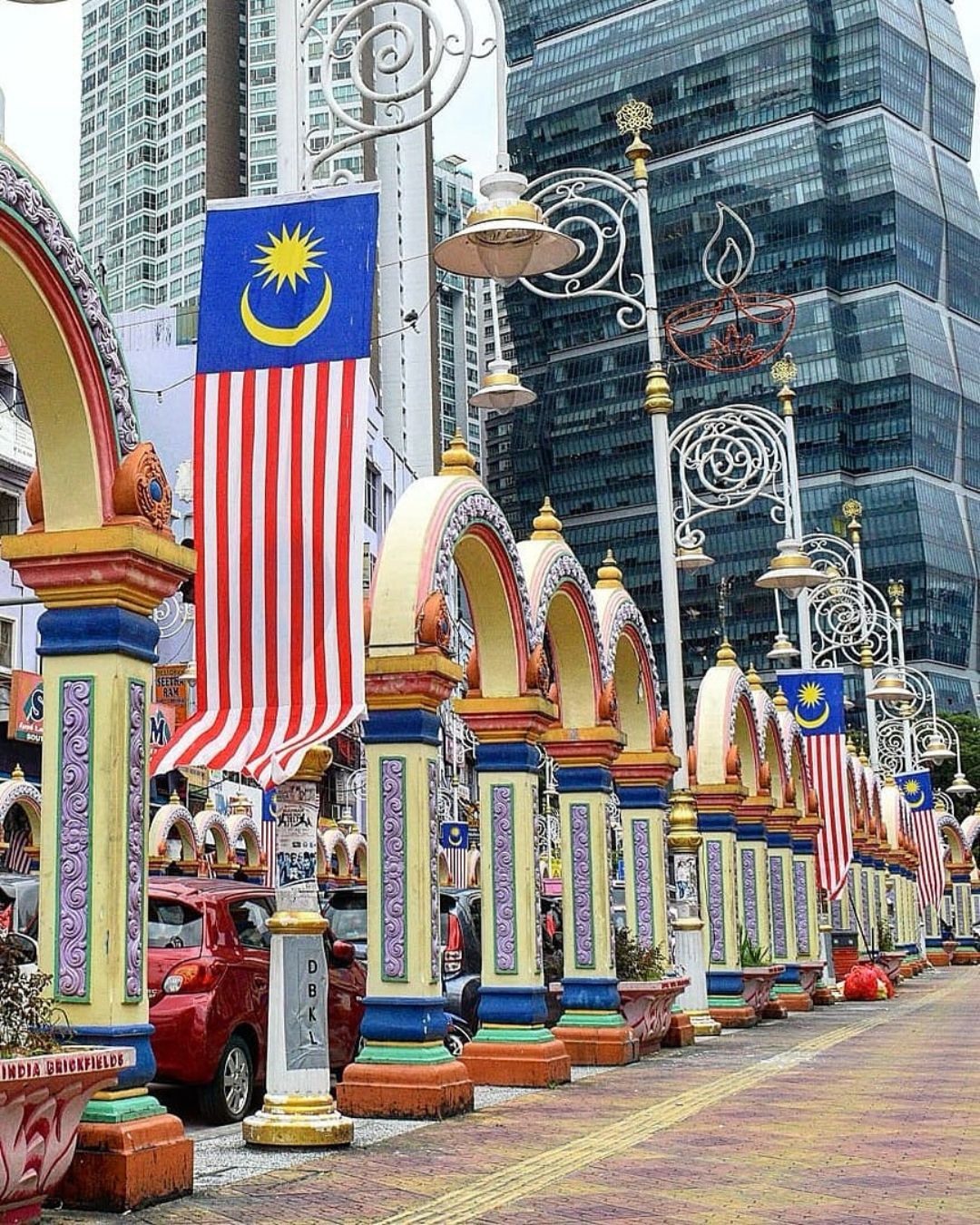
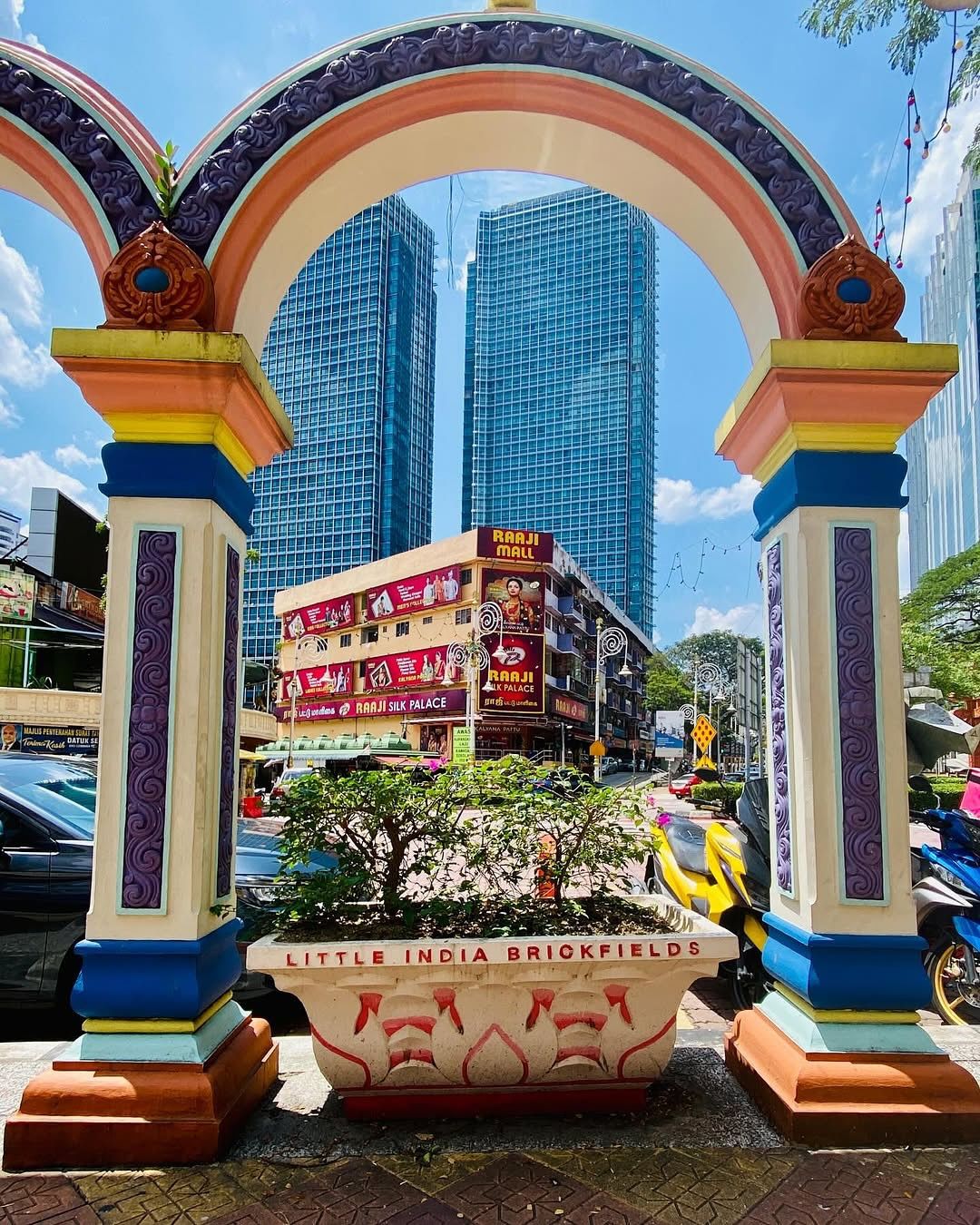
Photo Credit : Placesmalaysia
Daytime: Busy, colourful and generally safe. The area is popular for temples, banana leaf restaurants and street shopping.
After dark: Quieter but still comfortable around the main roads near KL Sentral. Foot traffic drops significantly deeper into the neighbourhood.
Watch for: Pickpocketing in crowded market sections during weekends and festivals.
Batu Caves
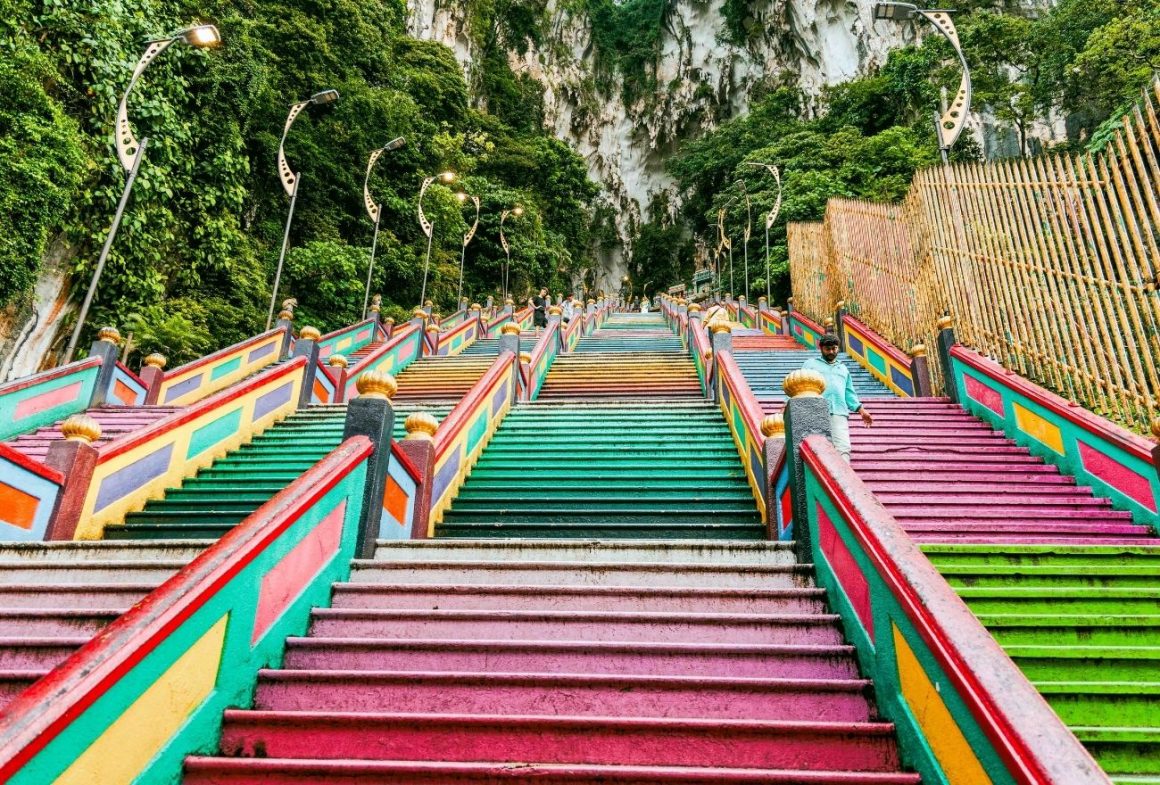
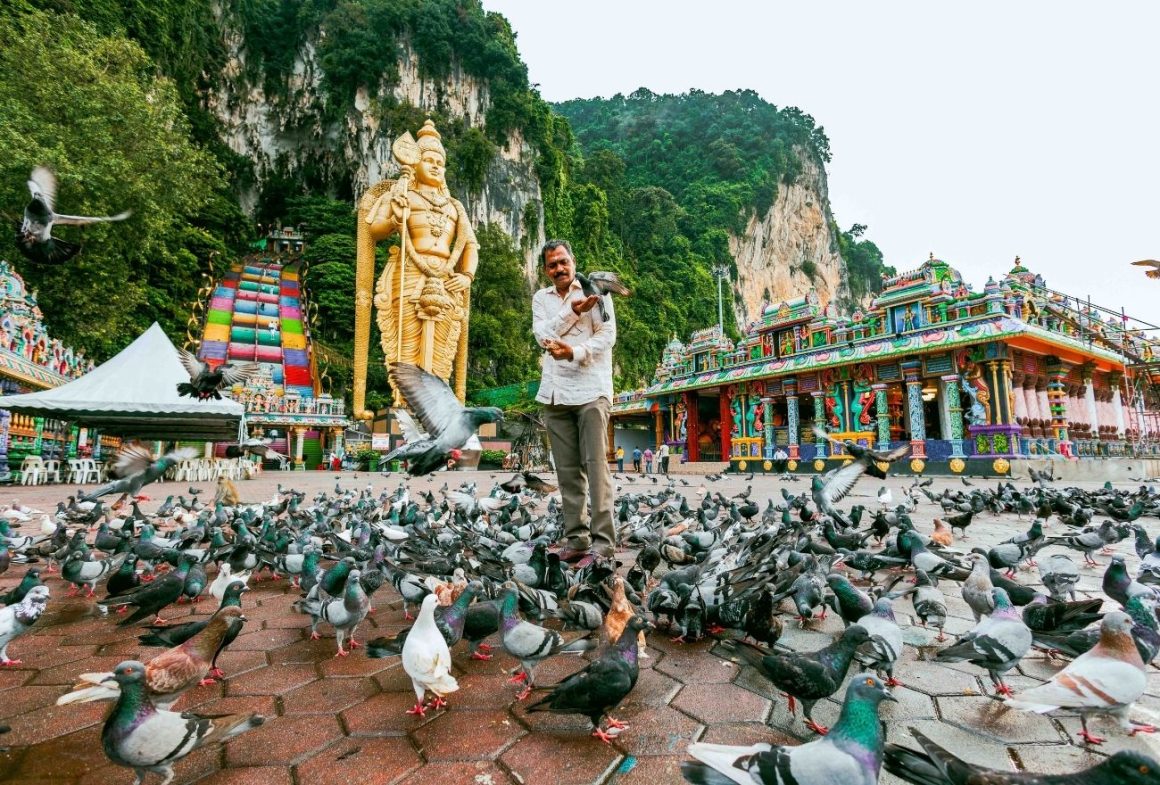
Daytime: Safe and heavily visited by tourists and worshippers. The main staircase and temple area are busy throughout the day.
After dark: Not dangerous, but not ideal late at night since most activity disappears after evening hours.
Watch for: Monkeys grabbing food, drinks and loose belongings near the stairs.
Malaysia-Specific Safety Tips That Actually Matter
Use Grab Instead of Street Taxis
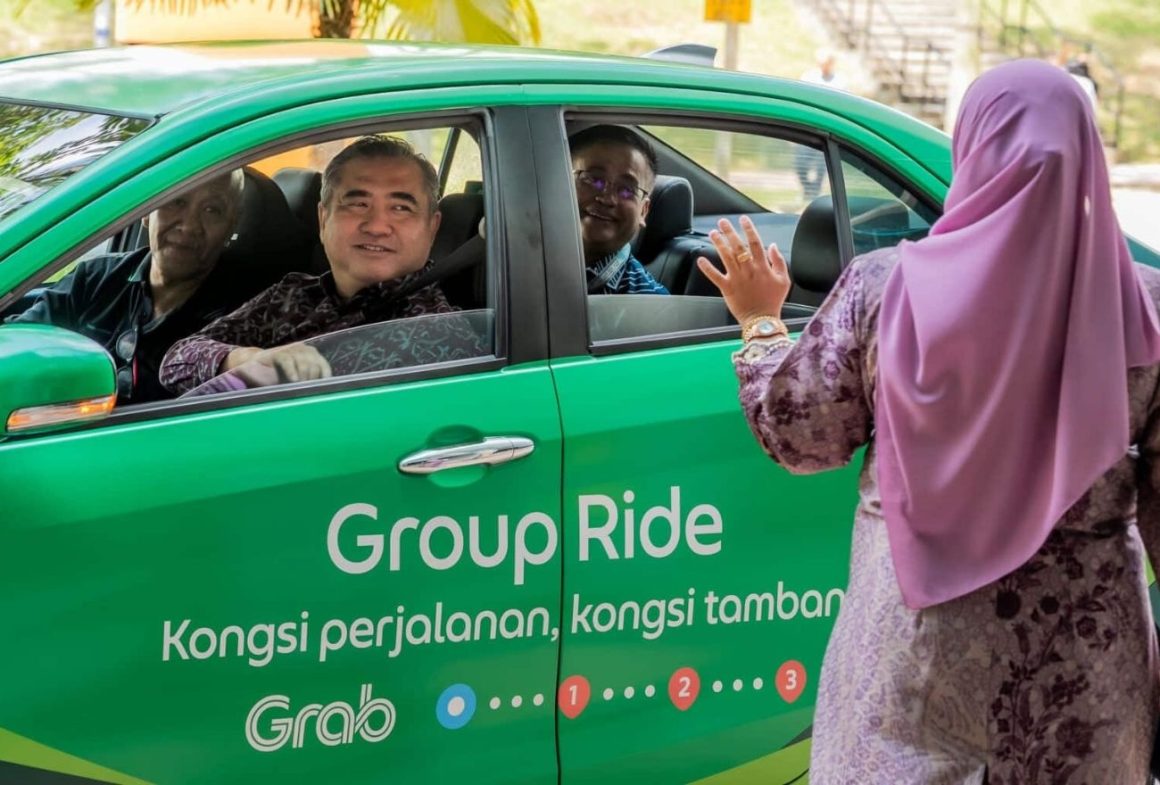
Photo Credit: Grab website
This matters most around tourist-heavy areas like Petaling Street, Bukit Bintang and KL Sentral, where unlicensed taxis sometimes target tourists with inflated fares or “special price” negotiations. Grab is cheaper, safer and far less stressful.
Don’t Walk With Your Phone Facing Traffic
This is one of the easiest ways tourists become targets for snatch theft. If you need directions, step into a shop entrance or stand away from the roadside before checking your phone.
Malls Are Safe Late-Night Meeting Points
In KL, malls like Pavilion KL, Suria KLCC and Mid Valley Megamall stay active long into the evening and are among the safest places to regroup, order a Grab or wait indoors during heavy rain.
Rain Can Change the City Fast
In Kuala Lumpur, heavy rain can flood roads surprisingly quickly. During storms, avoid walking through flooded underpasses or assuming a short Grab ride will stay short.
Night Markets Need More Awareness Than Malls

Places like Petaling Street and busy pasar malam (night market) areas are safe overall, but they require more attention to bags and phones than KL’s shopping districts.
Areas Tourists Should Be More Careful In
- Quiet side streets around Petaling Street late at night
- Certain parts of Chow Kit after dark
- Isolated pedestrian walkways after midnight
- Remote eastern Sabah coastal areas if active travel advisories exist
- Empty train stations very late at night
This doesn’t mean tourists need to avoid these places entirely — just that awareness matters more there compared to KLCC, Bangsar or Bukit Bintang.
Final Verdict: Is Malaysia Safe ?
For most travellers, yes — Malaysia is one of the smoother, easier and safer countries to travel through in Southeast Asia. The key is understanding that safety changes by neighbourhood and by time of day. Kuala Lumpur isn’t a city where tourists need to feel constantly anxious, but it is a city where local awareness makes a noticeable difference.
Stick to well-populated areas at night, use Grab instead of random taxis, stay alert in crowded markets and avoid empty side streets after dark. Do that, and most visitors find Malaysia extremely manageable — even on their first solo trip to Asia.
You may also like
The Gen-Z Traveler’s Playbook: Short Escapes from Kuala Lumpur
Cultural Etiquette: Do’s and Don’ts Travelling to Kelantan
Travel Outfit Tips for Staying Fresh and Comfortable in Malaysia


