

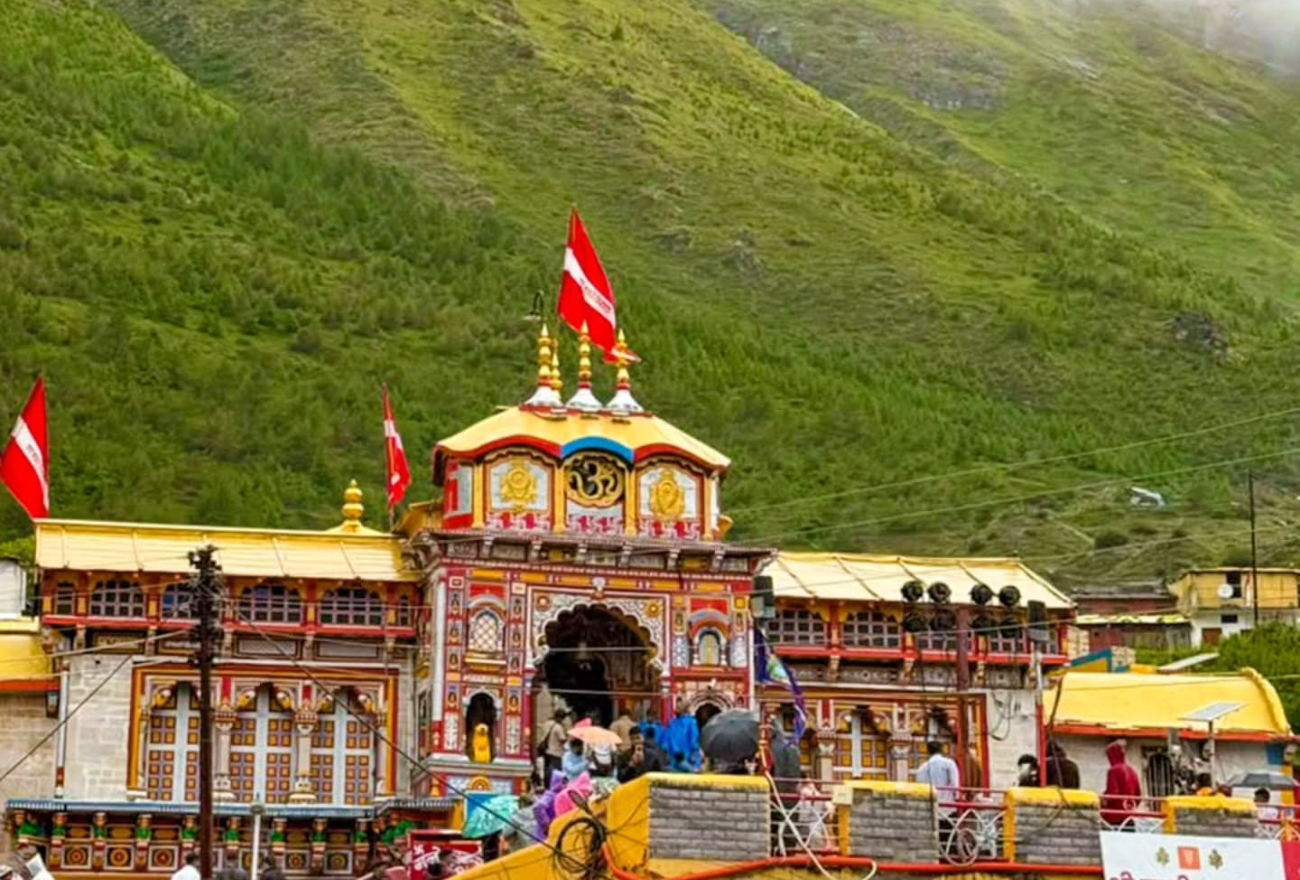
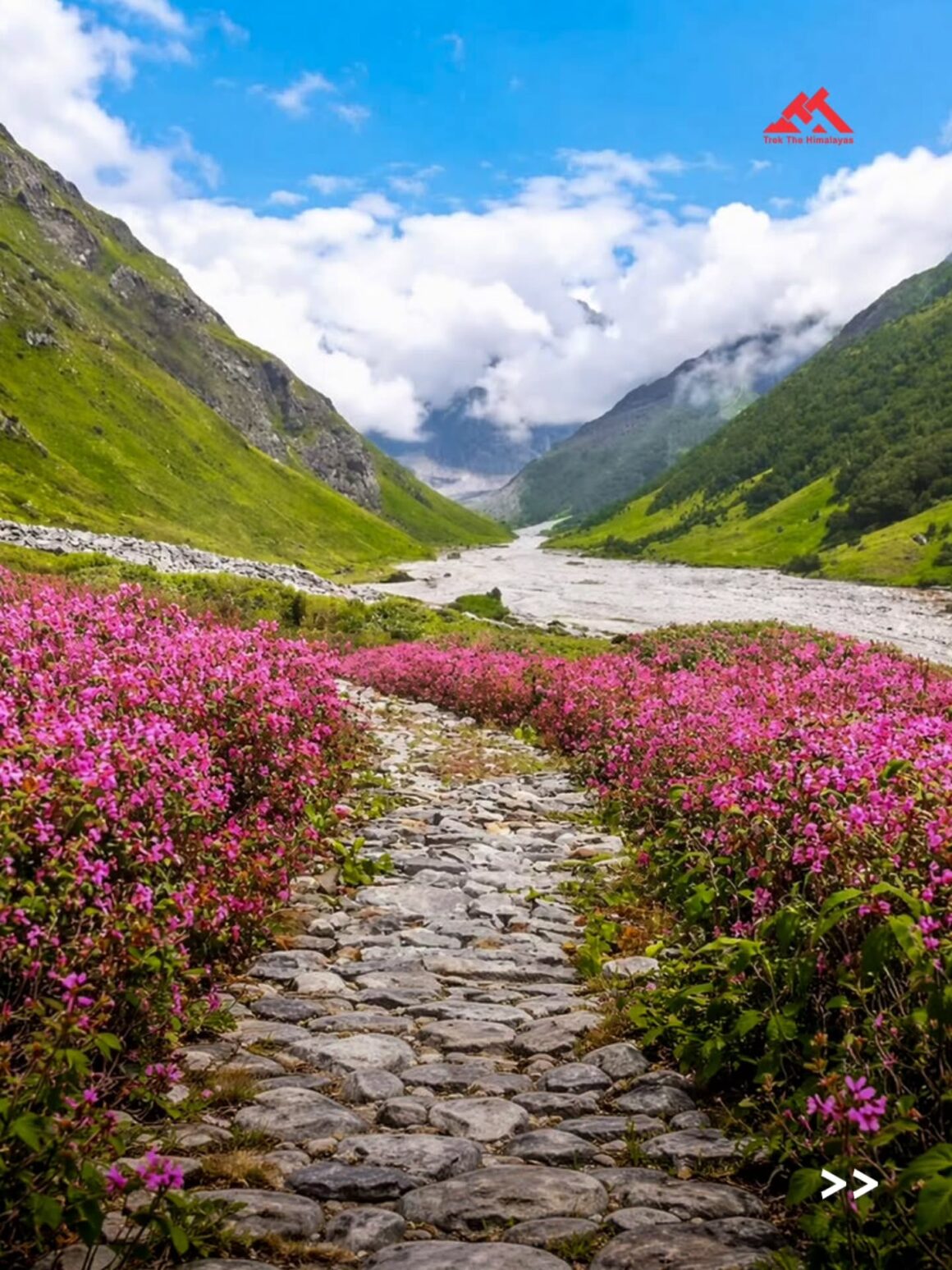
Experiencing the Valley of Flowers Trek when it is in full, vibrant bloom is a bucket-list dream.
However, high-altitude monsoon trails can quickly turn treacherous if you are underprepared. Sudden downpours, muddy paths, and landslide risks are realities that require serious respect.
True adventure travel isn’t about reckless risk; it is about meticulous preparation. Knowing exactly what to pack and how to safeguard your gear can make the difference between a life-changing journey and a dangerous survival situation.
Here is your definitive, safety-first gear and preparation checklist for navigating the Valley of Flowers Trek safely during the monsoon.
Footwear Built for Slick Mountain Trails
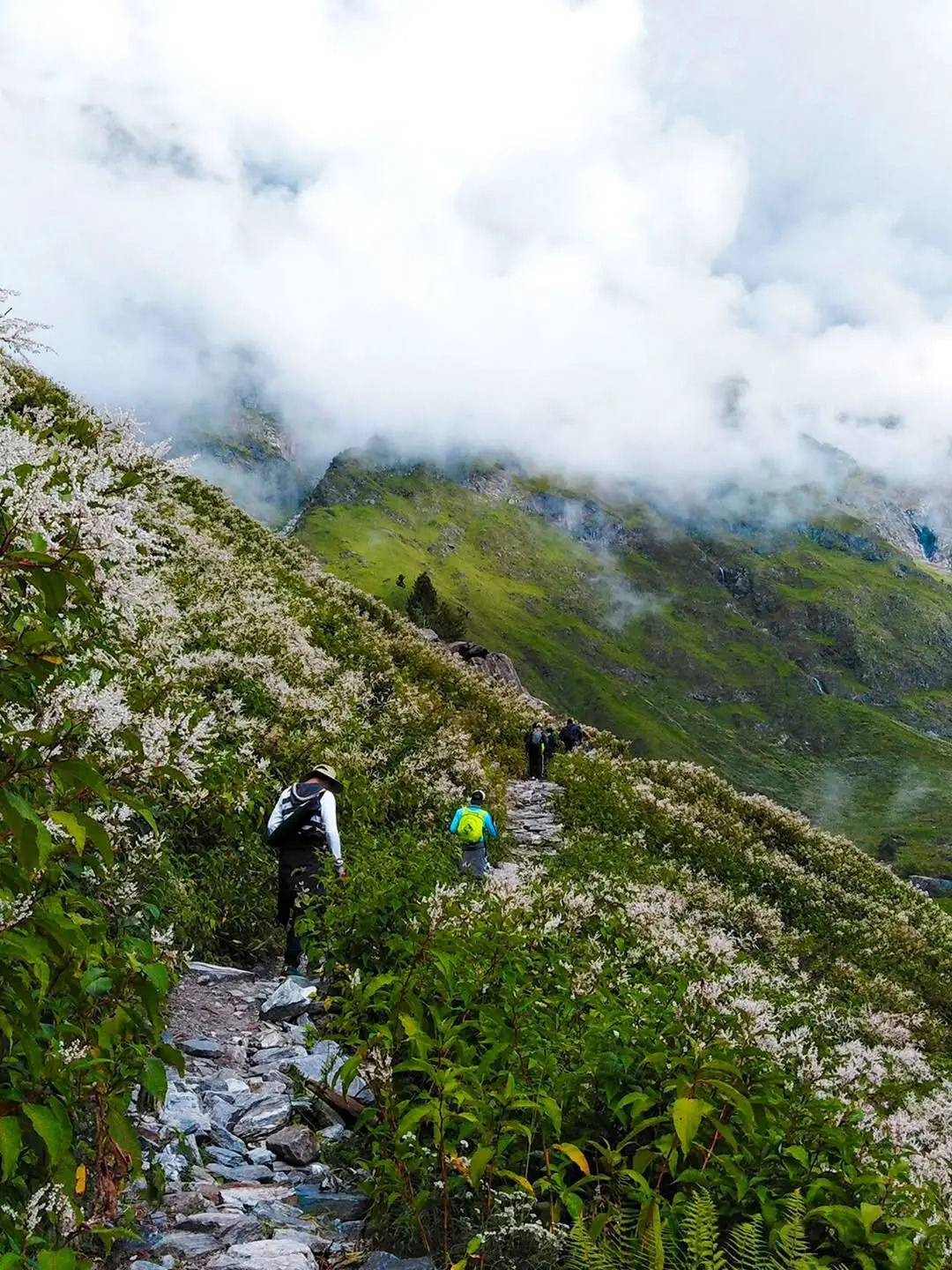
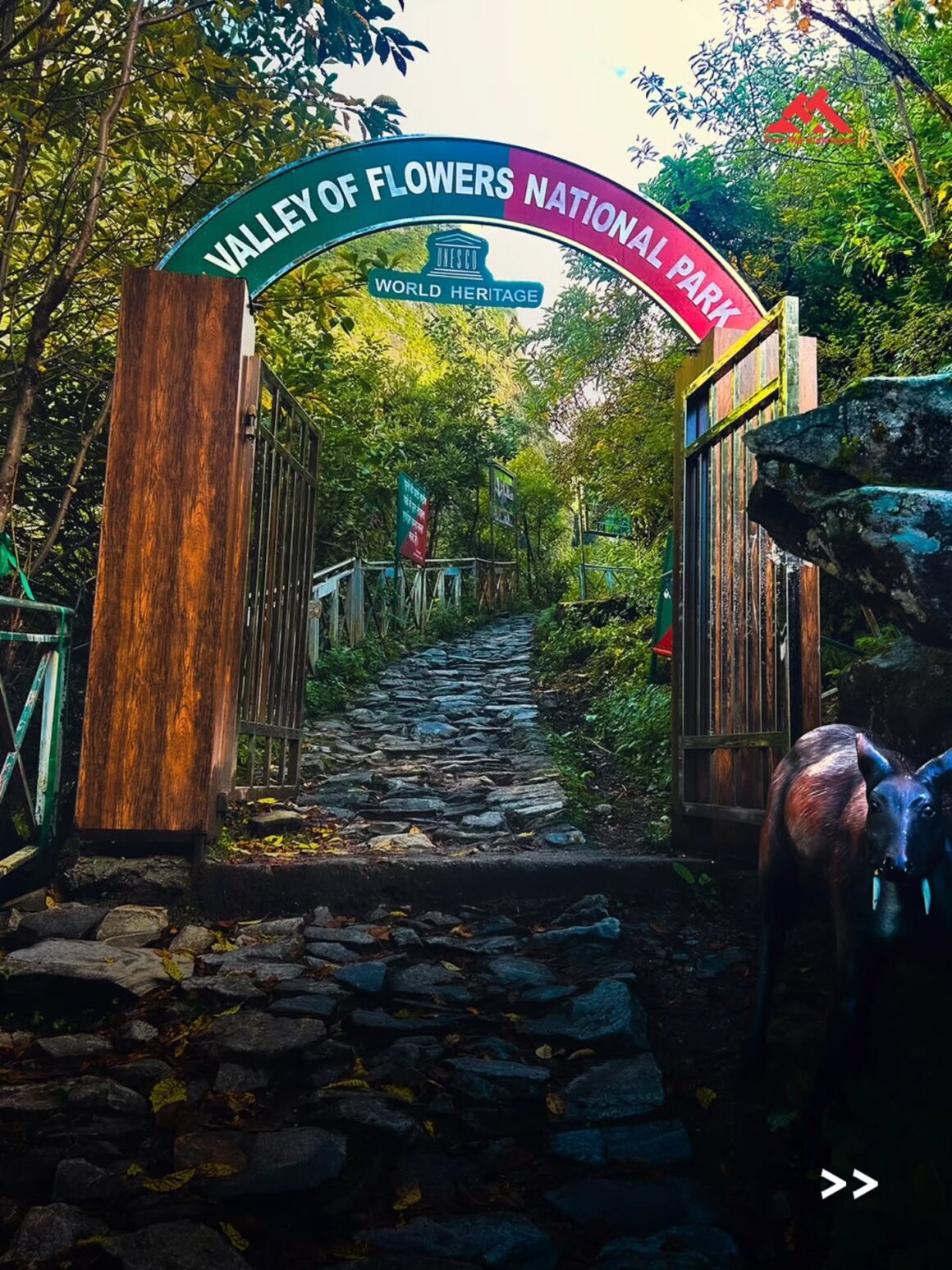
When you are climbing steep, wet stone paths in Uttarakhand, your choice of footwear is your most critical safety line. Standard sports shoes or gym sneakers will slick out immediately on wet slate.
You can invest in high-ankle trekking boots with deep lug patterns and robust rubber soles (such as Vibram) to secure your grip. Pair your boots with synthetic or merino wool socks. Avoid cotton entirely, as it absorbs moisture, stays wet, and causes painful friction blisters within hours.
Outerwear and Layering for High-Altitude Rain
Source: Trek the Himalayas
The weather during the Valley of Flowers Trek can shift from humid valleys to freezing alpine rain in minutes. A flimsy plastic poncho will rip on the first mountain branch it catches.
You better select outer layers in bright, high-visibility colors like neon orange, red, or yellow. If heavy mountain fog rolls in, your trekking team must be able to spot you easily. You also need a high-quality, breathable rain jacket with a hydrostatic head rating of at least 10,000mm.
Water-Locking Your Tech and Gear
Source: Trek the Himalayas
A standard backpack rain cover is only designed to handle light showers—it will eventually soak through under a persistent Himalayan downpour.Place all electronics, charging cords, spare dry clothes, and your sleeping bag inside individual, heavy-duty siliconized dry sacks before packing them in your rucksack.
Cold, damp mountain air drains lithium-ion batteries rapidly. Keep your high-capacity power bank sealed in a waterproof pouch close to your body heat to preserve its charge.
Packing Critical Trail Hardware
Source: Trek the Himalayas
Navigating a muddy descent safely requires mechanical support. You should never attempt a monsoon trek in India without proper physical stabilizers.
Pack a robust headlamp with fresh spare batteries. Storm clouds can block out natural daylight early, leaving you in pitch darkness on high trails. Dual poles with mud baskets are non-negotiable. They act as a third and fourth leg, relieving pressure from your knees during descents and helping you test the depth of muddy patches.
Concusion
The raw beauty of the Valley of Flowers Trek during the monsoon is unmatched. By respecting the mountains, packing high-quality waterproof gear, and prioritizing trail safety over speed, you can experience this floral paradise with complete peace of mind. Pack smart, monitor weather updates, and step onto the trail fully prepared.
FAQ
The valley is only open to visitors from June 1st to October 31st each year. However, the absolute peak blooming season falls between July and August, which aligns directly with the peak of the monsoon.
The trek is rated as moderate. However, during heavy monsoon downpours, the difficulty level rises because the paths become slick, muddy, and rockfalls can occur near landslide-prone zones.
Yes, wet, grassy Himalayan trails are prime environments for leeches during the rainy season. Always pack a small pouch of salt, antiseptic spray, or tobacco powder in your first-aid kit to help safely remove them if they attach.
You may also like
https://www.thehiplife.asia/thailand/where-to-stay-in-bangkok-that-isnt-on-every-influencers-page/
https://www.thehiplife.asia/thailand/chic-hotels-in-thailand-that-is-affordable-9-ultra-chic-stays/


