
Table of Contents Hide
- Reading books on hospitality is a great way to expand your knowledge and sharpen your emotional intelligence, thus enabling you to be more successful in this industry.
- Setting the Table: The Transforming Power of Hospitality in Business
- How to Run a Great Hotel: Everything you need to achieve excellence in the hotel industry
- 100 Tips for Hoteliers: What Every Successful Hotel Professional Needs to Know and Do
- Nuts!: Southwest Airlines’ Crazy Recipe for Business and Personal Success
- The 7 Habits of Highly Effective People
- Emotional Intelligence: The Groundbreaking Book that Redefined What it Means to Be Smart
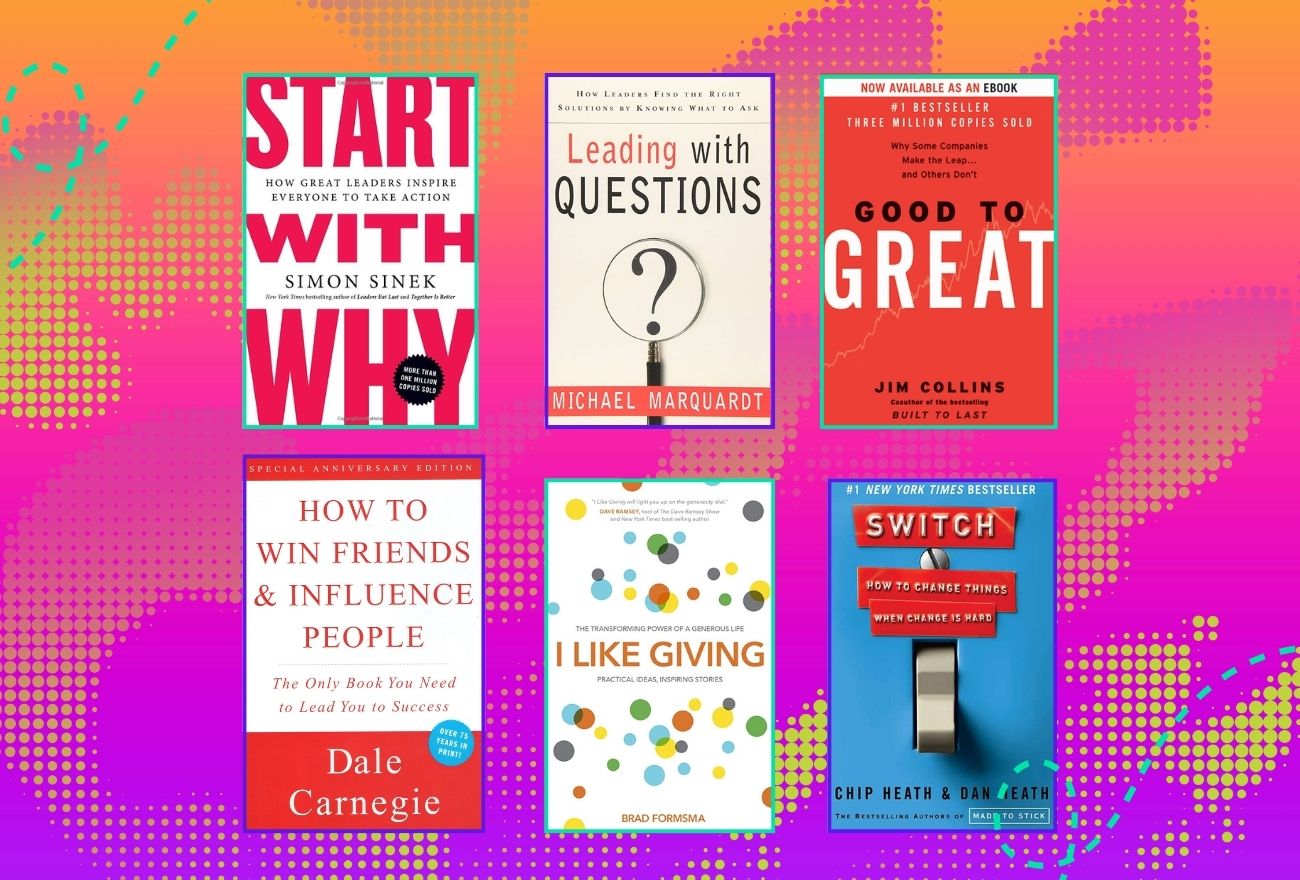
- Start with Why: How Great Leaders Inspire Everyone to Take Action
- I Like Giving: The Transforming Power of a Generous Life
- The Obstacle Is the Way: The Timeless Art of Turning Trials into Triumph
- Leading with Questions: How Leaders Find the Right Solutions by Knowing What to Ask
- Zapp: The Lighting of Empowerment

- How to Win Friends & Influence People
- Freakonomics: A Rogue Economist Explores the Hidden Side of Everything
- Switch: Hot to Change Things When Change is Hard
- Don’t Sweat the Small Stuff: Simple Ways to Keep the Little Things from Taking Over Your Life
- Good to Great: Why Some Companies Make the Leap and Others Don’t
Zapp: The Lighting of Empowerment
“Zap taught me to think a different way. When making a decision about how to handle a guest problem I now remember to ask the agent involved their opinion and what they recommend,” says Gary Gladstone of the Diamond Mountain Hotel & Casino.
Employee motivation is often a difficult idea to truly grasp, yet alone to influence and leverage. Yet, if companies are to continuously improve, as is necessary for survival and success, everyone in the organization needs to be engaged. Byham writes that people with this engagement (those who are “zapped”) have “responsibility, a sense of ownership, satisfaction in accomplishments, power over what and how things are done, recognition for their ideas, and the knowledge that they’re important to the organization.”
